Our areas of work 2/3
Thriving Nature
Advancing conservation, restoration, and
sustainable stewardship of and water
Overview
Our vision
Local communities are stewards and owners of the natural resources they rely on, and our funding amplifies that leadership.
Challenge in numbers
USD 58 trillion
More than half of global GDP is generated in sectors moderately or highly dependent on nature.
USD 571 billion
Investment in nature-based solutions needed by 2030
2025 at a glance
We supported initiatives across:
- Ecosystem protection and restoration, safeguarding and rebuilding coasts, forests and biodiversity so natural systems stay healthy, protect people and support stable local livelihoods.
- Community‑led conservation, empowering local communities to steward their lands and waters, strengthening both nature and the wellbeing of the people who depend on it.
Mobilising Finance for Nature and Climate Resilience
The international community has set the target of protecting 30 percent of the world’s land and oceans by 2030. Progress toward the “30×30” target will help maintain the flow of the essential benefits that nature provides, from water and food security to protection against climate change and disasters.
In 2025, countries agreed to mobilise billions of dollars to narrow the shortfall in funding needed to realise global goals for nature. But this gap can only be closed if all actors, including the private sector and philanthropies, provide more generous support.
Working with partners and coalitions, the Trafigura Foundation stepped up its contribution in the past year through nature-based solutions designed to reinforce both livelihoods and ecosystems so they can adapt and thrive in shifting climatic conditions.
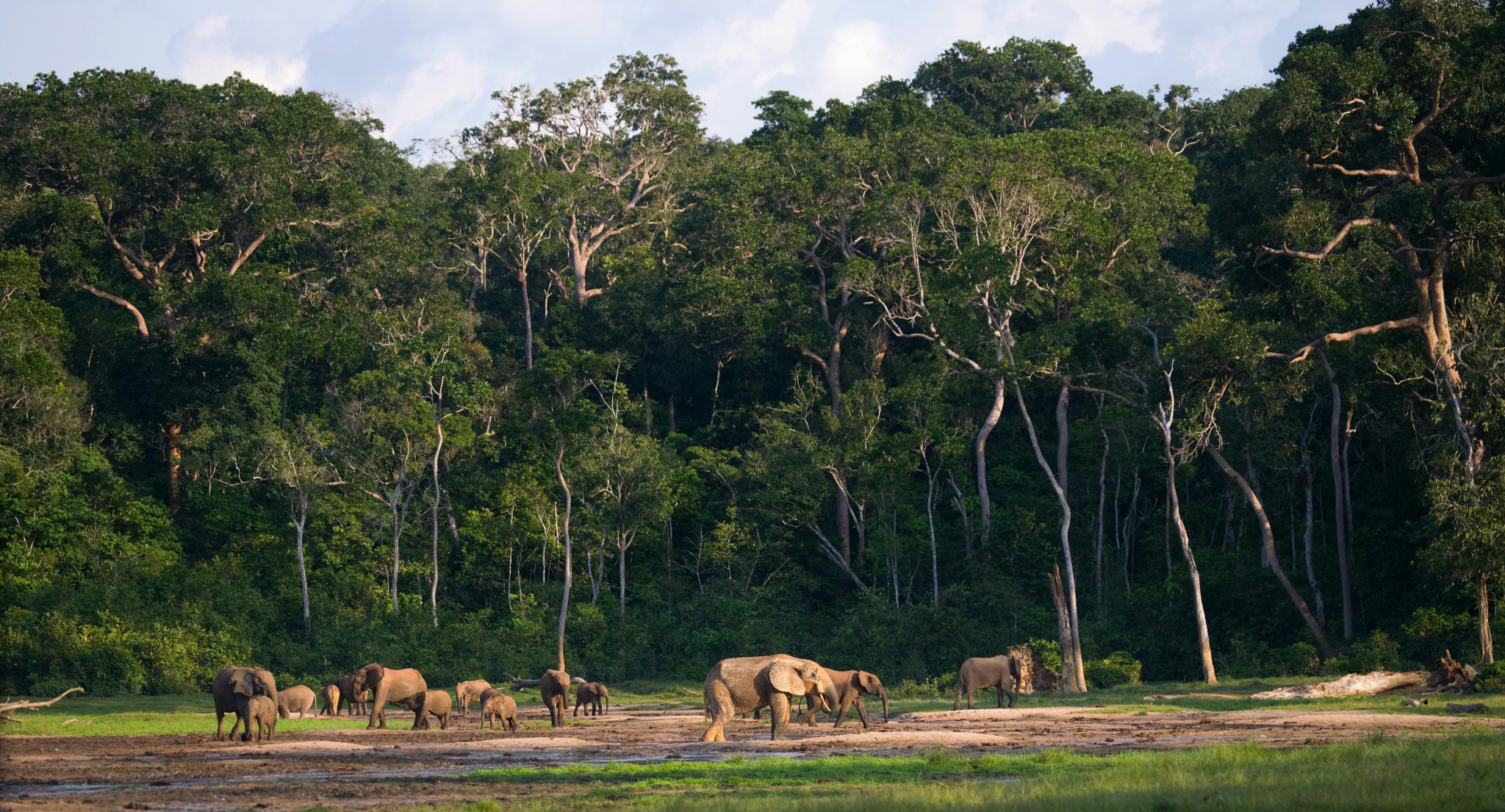
Global biodiversity goals support resilience
Current global biodiversity targets are set out in the Kunming-Montreal Global Biodiversity Framework. It includes 23 targets for 2030, including several that directly support the Trafigura Foundation’s mission of building the resilience of vulnerable communities to climate change and other shocks:
TARGET 9: Manage Wild Species Sustainably to Benefit People
Including through “sustainable biodiversity- based activities, products and services that enhance biodiversity, and protecting and encouraging customary sustainable use by Indigenous peoples and local communities.”
TARGET 10: Enhance Biodiversity and Sustainability in Agriculture, Aquaculture, Fisheries, and Forestry
Including through practices such as “sustainable intensification, agroecological and other innovative approaches, contributing to the resilience and long-term efficiency and productivity of these production systems, and to food security.”
TARGET 11: Restore, Maintain and Enhance Nature’s Contributions to People
« Such as the regulation of air, water and climate, soil health, pollination and reduction of disease risk, as well as protection from natural hazards and disasters, through nature- based solutions and/or ecosystem- based approaches.”

Highlight
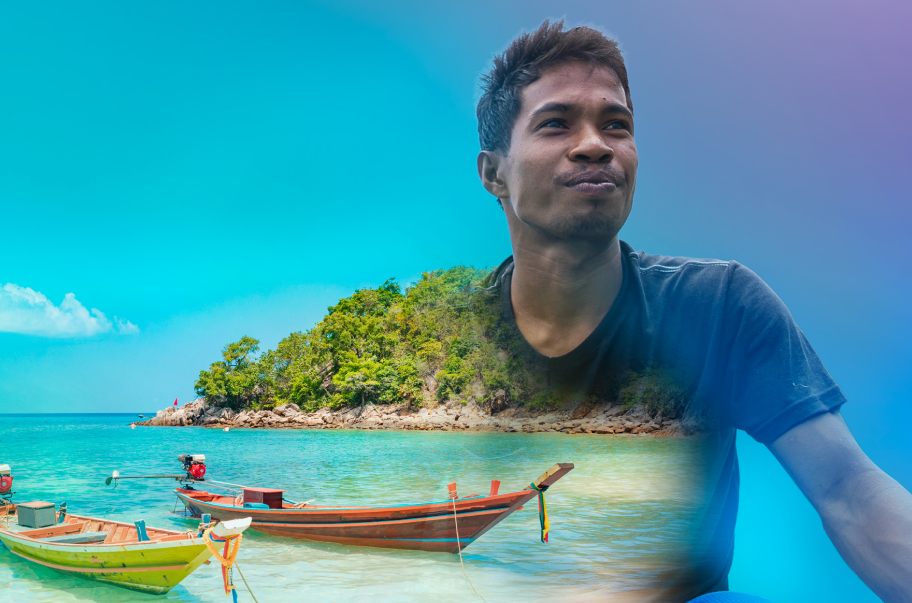
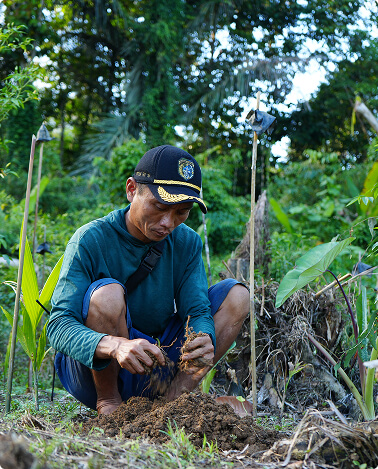
Because the people closest to fragile, biodiversity‑rich ecosystems are best placed to protect them, we back Planet Indonesia’s community‑driven model. By strengthening local rights, governance and resource management, it turns ecosystems into lasting assets that support livelihoods, build resilience and safeguard nature.
Healthy ecosystems and resilient people:
creating a virtuous cycle in Indonesia
Planet Indonesia
The organisation supports the conservation of at-risk ecosystems by helping local communities escape a negative cycle of overexploitation of natural resources and reduced resilience.
Planet
Indonesia
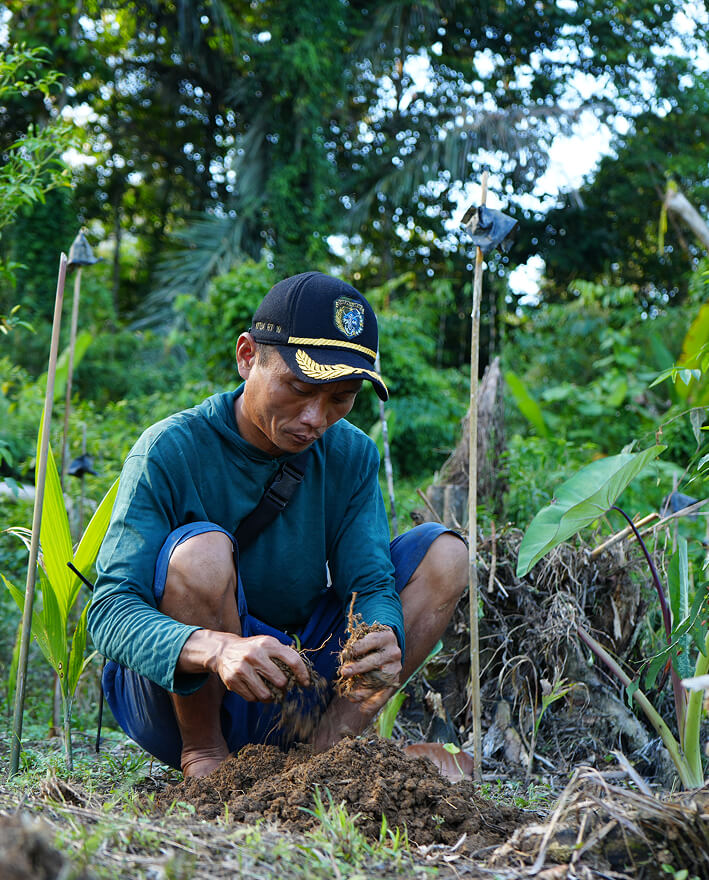
Our partner supports the conservation of at-risk ecosystems by helping local communities escape a negative cycle of overexploitation of natural resources and reduced resilience.
With a model built on community rights, adaptive resource management, village-level governance, and access to essential services, Planet Indonesia reverses that dynamic, so that healthy ecosystems become a growing asset to local people, strengthening their capacity and incentive to conserve and further restore their environment.
To date, the organisation has helped strengthen the conservation of 1.6 million hectares of rainforest, coastal and marine ecosystems that are home to a host of rare and endangered species, including the Bornean Orangutan.
Voice of Partners
Our partnership with the Trafigura Foundation is deeply meaningful to Planet Indonesia. Through this support, we are strengthening not only conservation outcomes but also community leadership, dignity, and long-term resilience in the face of environmental change.
Novia Sagita
CEO Yayasan Planet Indonesia
Activities in 2025
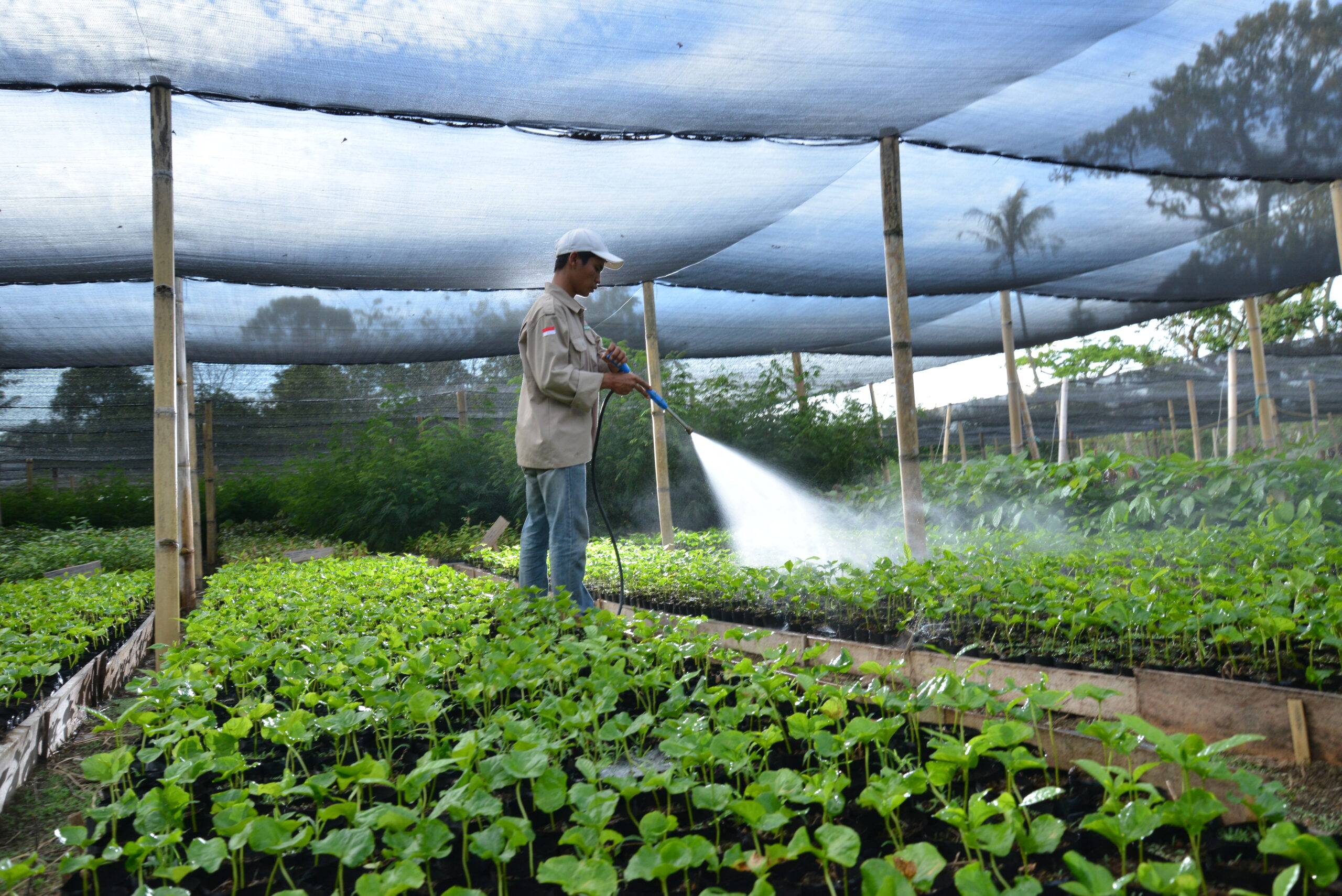
Activities supported by the Trafigura Foundation include leveraging community forestry schemes to secure tenure rights, developing natural resource management plans, providing training in sustainable fisheries and agriculture, and supporting access to finance via savings groups.
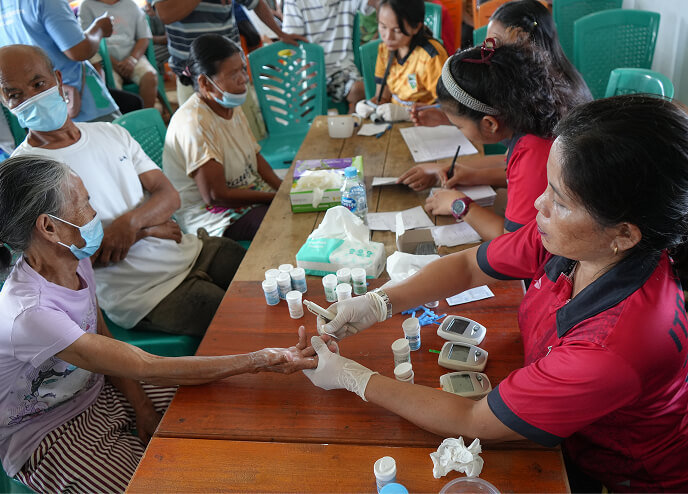
In 2025, Planet Indonesia’s climate-smart agriculture programme supported 627 farmers in West Kalimantan and East Nusa Tenggara. It also worked with government agencies to deliver 44 mobile health clinics, providing basic healthcare to 3,315 individuals across the two provinces.
Patrol groups
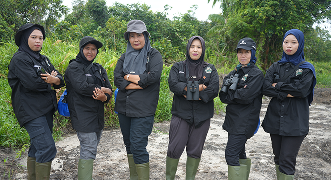
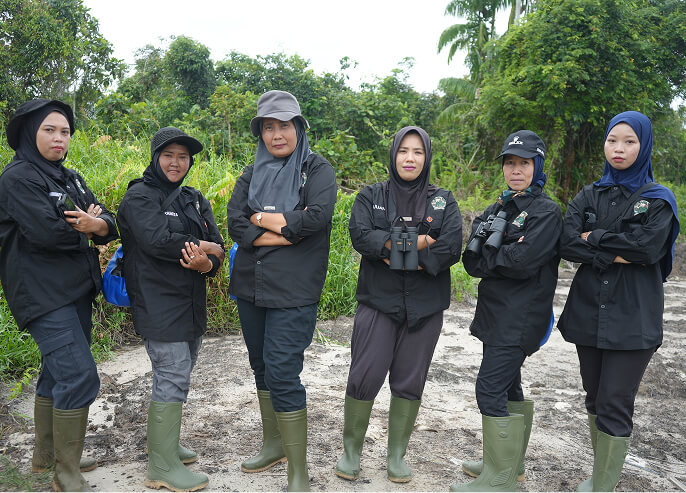
To strengthen community conservation, Planet Indonesia’s local partner formed 9 new patrol groups in East Nusa Tenggara, bringing the total to 14. In West Kalimantan, 20 community patrol teams, 4 of which are new, are monitoring more than 120,000 hectares of forest and coastline.
By the end of the partnership in 2027, Planet Indonesia aims to have enabled 60 village-led governance institutions to manage 391,000 hectares of biodiversity-rich ecosystems and to improve the climate resilience of 34,800 people, while reducing local deforestation and boosting the incomes of farmers and fishers.
What’s next?
We will continue supporting Planet Indonesia’s community‑led model that helps households secure their livelihoods while protecting critical ecosystems.
This envisions:
- Expanding community‑led governance and ecosystem management, by enabling more villages secure land tenure, strengthen local institutions, and co‑manage forests, coasts and fisheries with conservation authorities.
- Scaling support for sustainable livelihoods, including greater access to capital, technical training in agroforestry, regenerative agriculture, and sustainable fisheries, helping families diversify income and reduce pressure on at‑risk ecosystems.
- Extending the model to new sites across Indonesia, working with local partner organisations to adapt and replicate the approach so more rural communities can benefit from healthier ecosystems, stronger governance and long‑term economic security.
627
farmers supported through climate‑smart agriculture programmes
44
mobile health clinics providing basic healthcare to 3,315 people
20
community patrol teams monitoring more than 120,000 hectares of forest and coastline
Our Partners
We fund programmes that rebuild ecosystems and resilience through land rights, strong local governance and sustainable resource use that empowers communities to protect nature.
USD 54 million
Income earned by communities from the sale of Plan Vivo certificates over the past 25 years.
Source : UNEP-WCMC
Supporting local people to take the lead on climate action
Plan Vivo gives communities the means to protect their environment and livelihoods in the face of climate impacts such as rising temperatures and extreme weather events through a different mechanism: equitable, high-quality nature-based finance.
Over the past 25 years, this approach has generated USD 54 million in income for participating communities through the sale of Plan Vivo certificates, strengthening both their livelihoods and climate resilience.
Support from the Trafigura Foundation is enabling Plan Vivo to expand and scale up the certification of high-quality carbon and nature projects, attracting more investment in climate-vulnerable communities. That includes the development of an incubator hub and accelerator programme to guide communities navigating the challenges of the certification process.
In 2025, the first cohort of community-led projects completed the accelerator programme, with six out of eight submitting a complete Project Design Document, cutting the time required for project development by 12–36 months. A second cohort was launched with a strong focus on securing finance for post-accelerator projects.
To develop a new biodiversity credit offering communities an additional avenue to raise resources, Plan Vivo built technical and advisory panels, a registry for certified projects to sell credits, and other infrastructure to operationalise the programme.
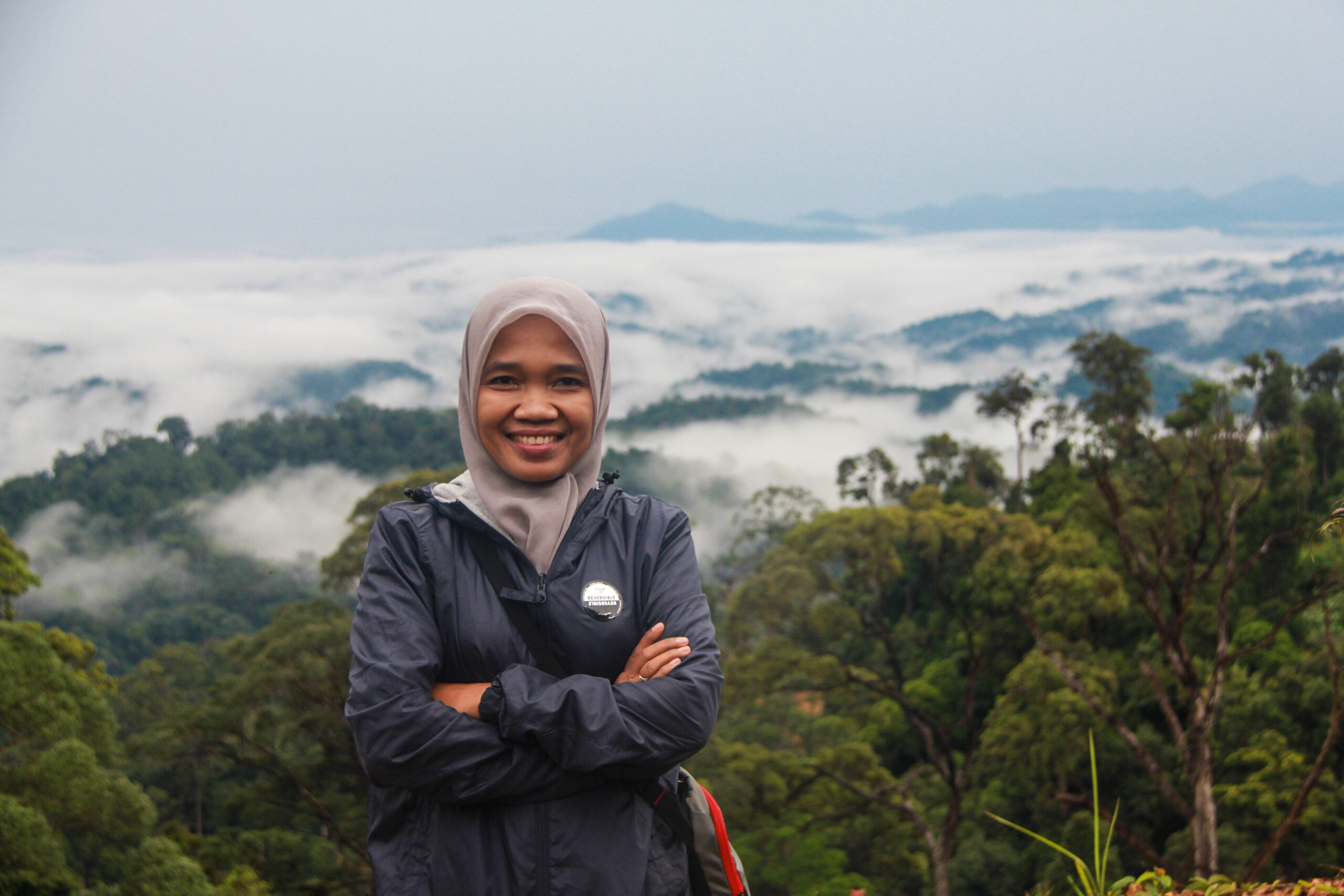
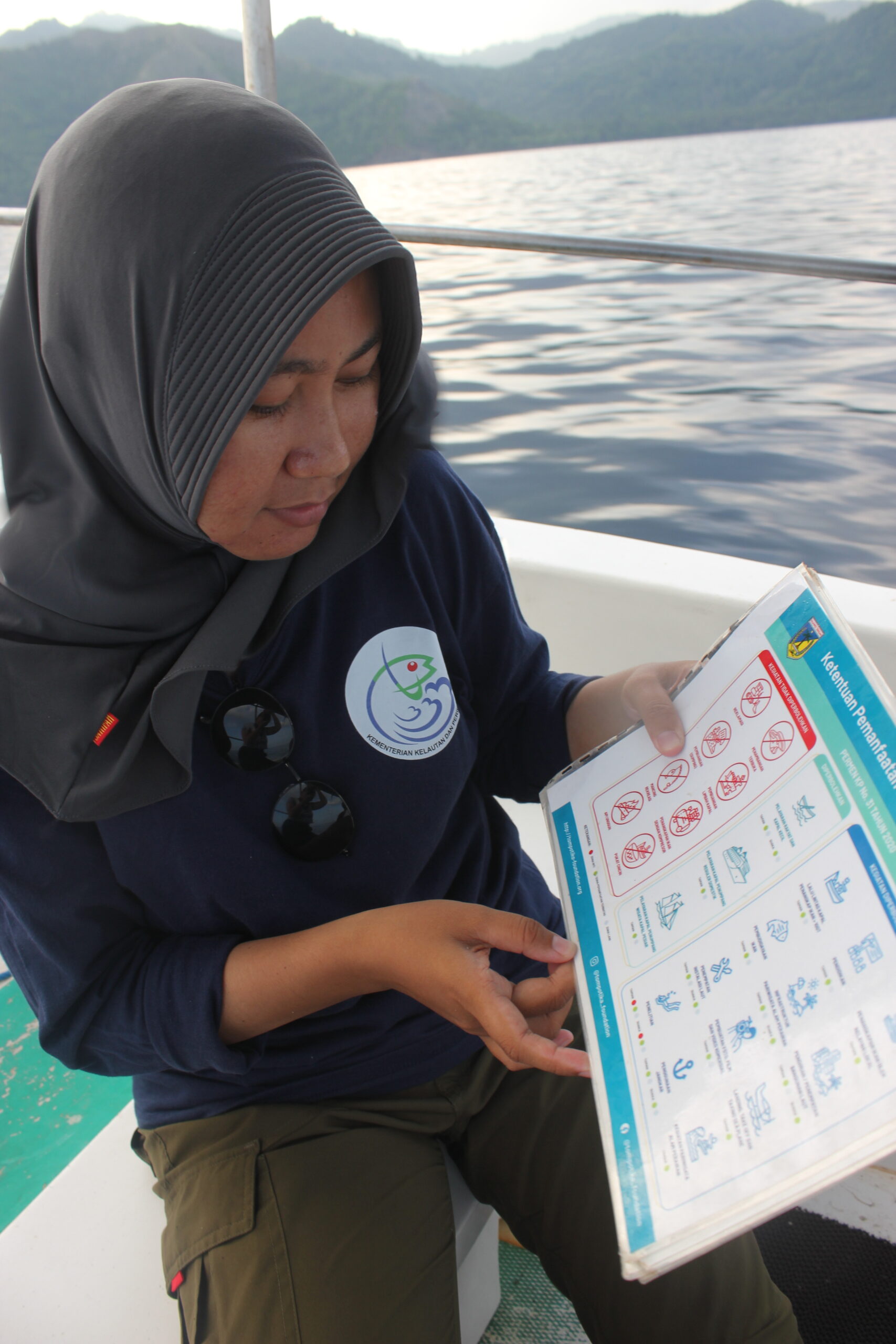
Emmy Primadona, KKI WARSI, an organisation working with five Indigenous communities to conserve endangered primary rainforest in Sumatra’s Bukti Barisan forest.
Guardians of the rainforest
The Plan Vivo Carbon Standard has helped the Bujang Raba community demonstrate that community-led forest management can deliver tangible climate and social benefits. Its methodology recognises and accommodates local practices and traditional knowledge in managing and protecting natural resources. Its purpose goes beyond generating carbon credits – it is also about strengthening tenure rights and improving community livelihoods.
We are honoured to be part of Cohort 2 of the Accelerator Program, which provides us with the opportunity to deepen our knowledge, expand our network, and develop a strong business plan to elevate community-based conservation models to the next level.”
14 million hectares
Target for the expansion of Mongolia’s protected area network by 2030
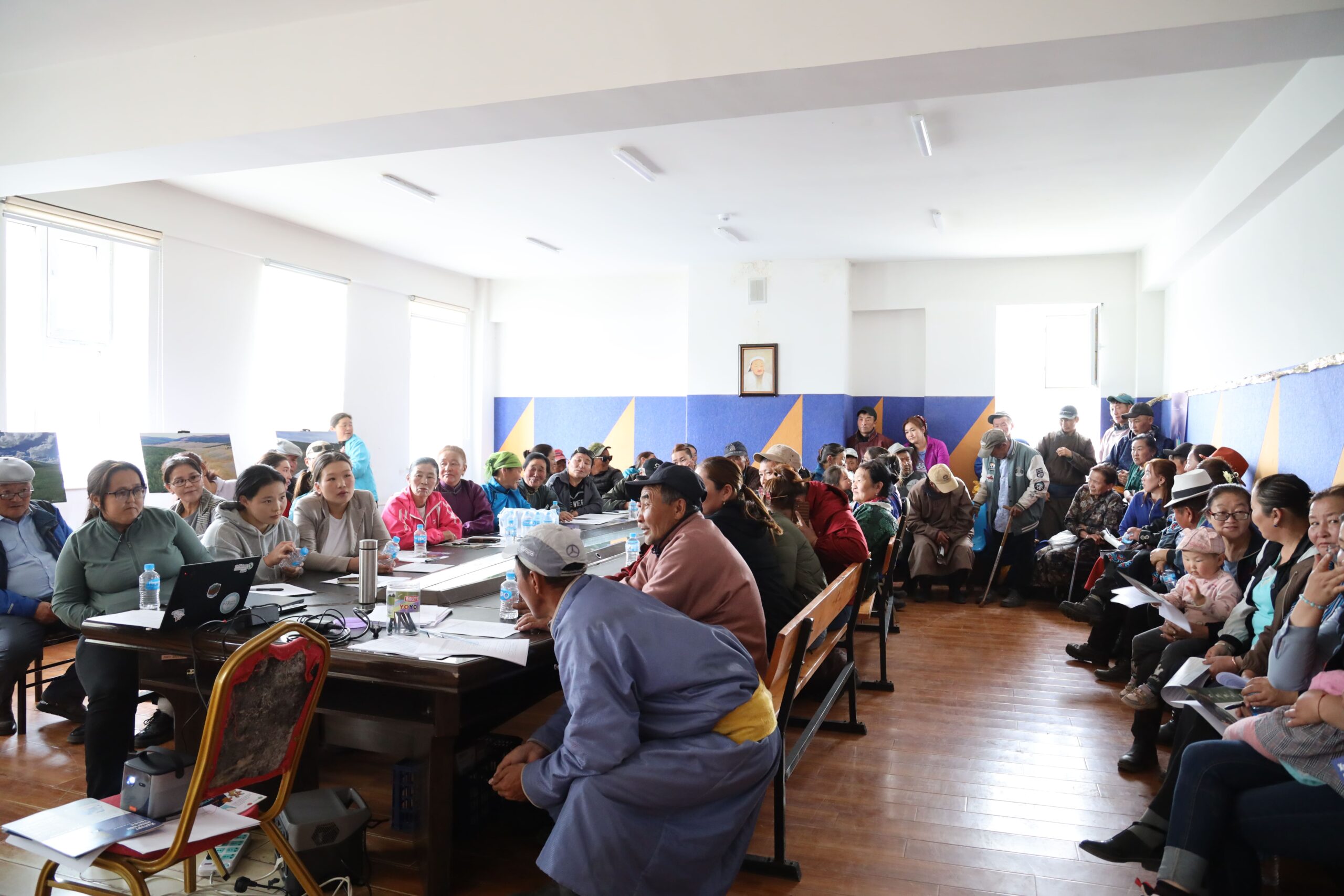
Partnering with Mongolian herders to maintain healthy pastures and stable incomes.
Our collaboration with The Nature Conservancy in Mongolia recognises not only the importance of the country’s spectacular landscapes for herding communities and livestock production, but also their role in protecting global biodiversity and their potential for ecotourism.
Together with the government and other partners, The Nature Conservancy is building Eternal Mongolia, an innovative programme to finance the large-scale, long-term protection of Mongolia’s ecosystems and enable the country to meet its national 30×30 target.
The initiative aims to expand and strengthen the protected area network and help households improve their livelihoods through the sustainable management of natural resources.
That includes swaths of the country’s grasslands, which are vulnerable to climate change impacts such as droughts and extreme cold spells as well as desertification due to overgrazing.
It also plans to mobilise nearly USD 200 million, whereby disbursements from a trust fund supported by the Trafigura Foundation and other donors unlock investments from the government and foster the development of additionals sources of sustainable financing such as ecotourism.
In 2025, the trust fund became fully operational and issued its first grants. Twenty-one priority areas covering a total of 3 million hectares were identified for protected area expansion, while an assessment of the existing network was used to generate a comprehensive database and recommendations for improvement.
Ultimately, the initiative aims to add 14 million hectares to the existing 47 million hectares in Mongolia’s protected area network, while helping 24,000 herder households to implement sustainable and climate-resilient practices in the surrounding areas.
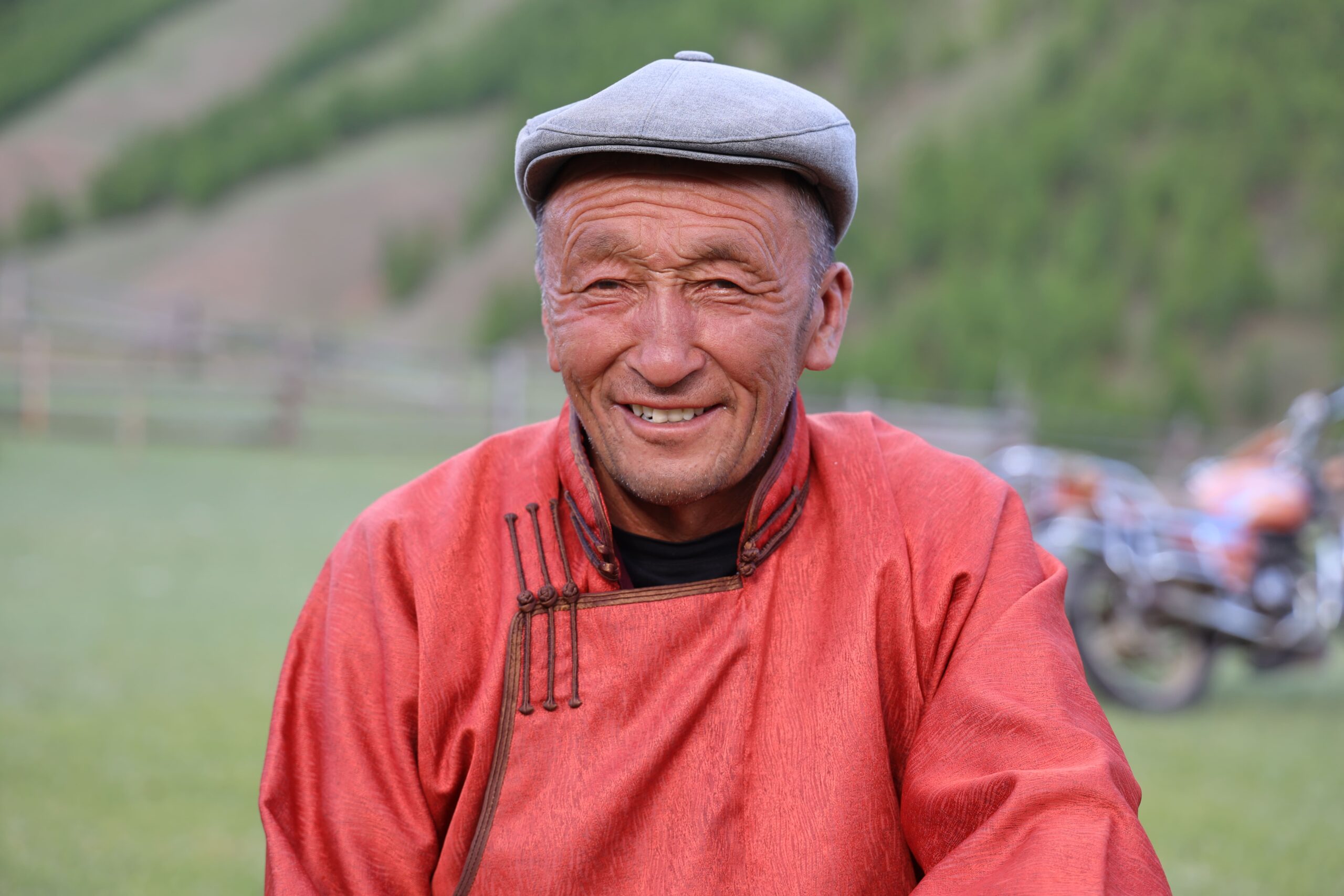
A herder’s wisdom in a changing Mongolia
Ch. Altansukh, a herder who has spent a lifetime tending livestock on the sweeping steppes of northern Mongolia, looks after more than 400 sheep and goats as well as 60 cattle and horses.
Born in 1960, Altansukh learned as a child to take care of the environment that sustained him, his family and his community. But he worries about the future. He says rainfall patterns have shifted, leaving some valleys dry despite more violent storms. Trees have been cut down and wildlife has become scarce.
If we don’t interact properly with nature, big changes could come in 10 or 20 years,” he warns.
Last winter, Altansukh joined a training programme supported by the Eternal Mongolia initiative where he learned about pasture management, nature conservation, and the impacts of climate change, adding to his traditional knowledge of how to manage the land.
As a grandfather of six, Altansukh teaches by example. His grandchildren learn to ride horses, milk goats, and herd sheep – not through lessons, but by living the life. His message to them, and to all Mongolians, is simple:
Follow the teachings of our ancestors and
continue to cherish our natural world.”

Voice of Partners
Trafigura Foundation was pivotal in helping The Nature Conservancy launch Eternal Mongolia. Your leadership gift inspired Mongolians and the conservation world to envision that conservation at this scale is possible and can be enduring.
Jeff Parish
Global Managing Director for Protect Oceans, Lands and Water, The Nature Conservancy
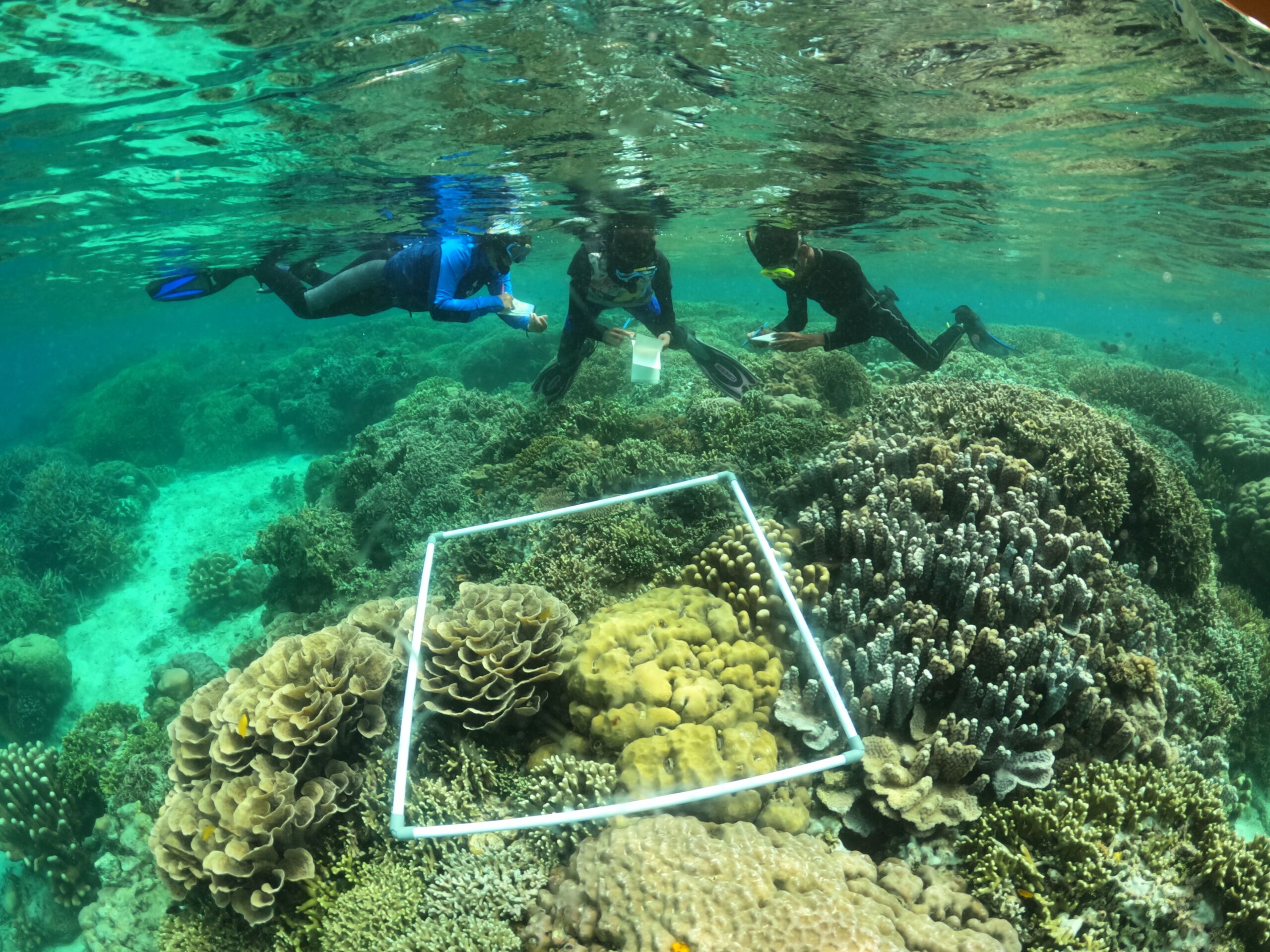
Building ocean resilience through science, conservation, and community action
Building global resilience is about restoring seascapes as well as landscapes, and the Trafigura Foundation partners with two outstanding organisations working for the health of marine ecosystems and the communities who rely on them.
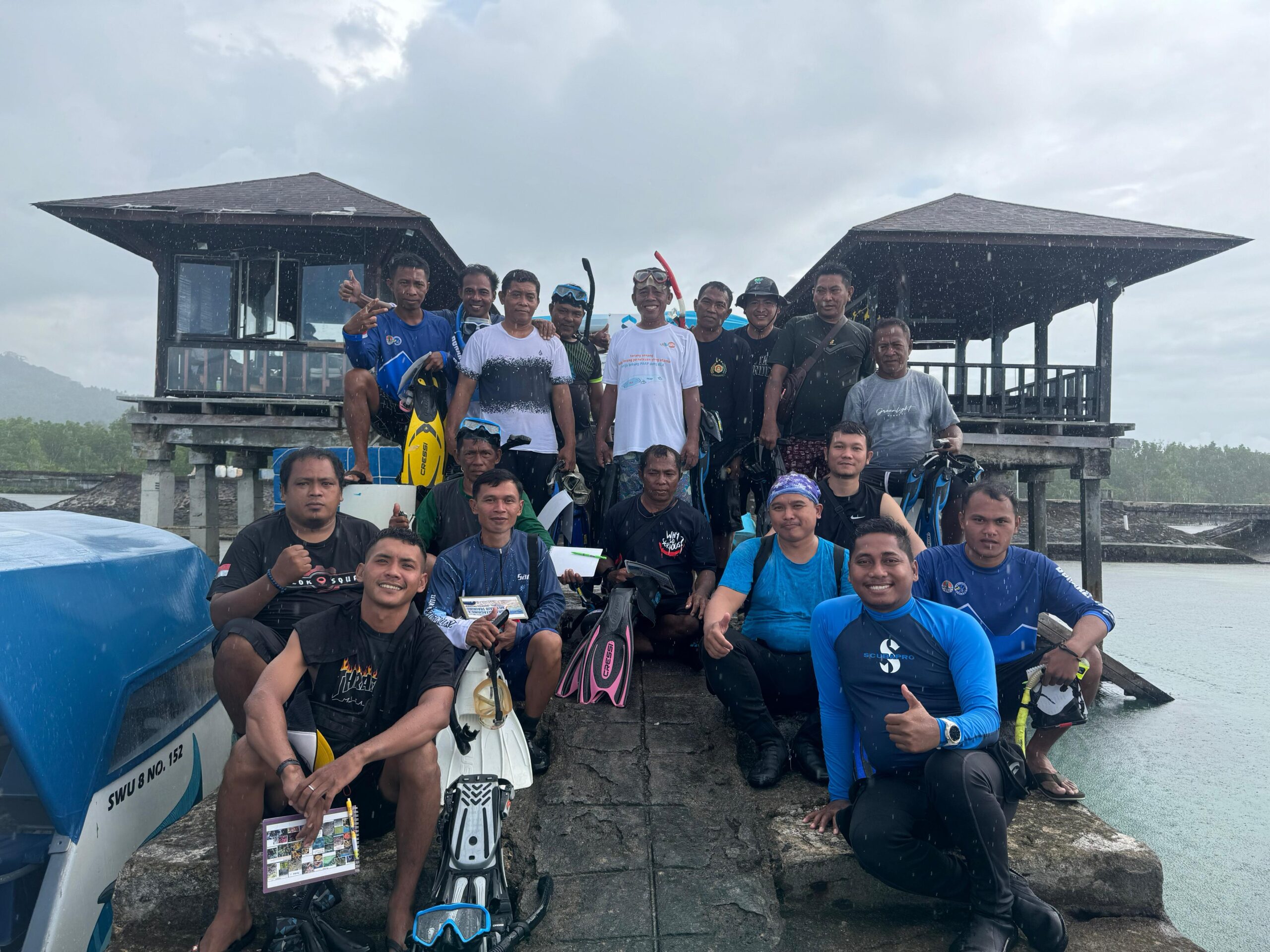
The Wildlife Conservation Society (WCS) is identifying and safeguarding coral reefs in the Sulu-Sulawesi Sea that can withstand or rebound from the harmful impacts of rising sea temperatures, helping to secure a future for these exceptionally valuable – and beautiful – natural resources.
Coral ecosystems provide up to one billion people around the world with coastal protection, food, jobs and income. But climate change is bleaching and killing reefs, which are also suffering from threats including pollution, coastal development and destructive fishing practices.
With support from the Trafigura Foundation, WCS is identifying climate-resilient reefs in key areas of Indonesia, Malaysia, and the Philippines, and strengthening the regional network of marine protected areas (MPAs) where priority reefs are found. It is also exploring sustainable finance mechanisms for MPAs and developing management and policy frameworks for coral reef conservation.
Central to WCS’s approach is ensuring local communities are closely involved in managing and monitoring protected areas and benefit from them, for instance through improved fish stocks or ecotourism opportunities. Achievements in 2025 include the launch of Bitaug MPA, covering 150 hectares of mangroves, seagrass beds, coral reefs and sandy habitats in Siquijor, the Philippines.
The MPA is co-managed by the Bitaug Fisher Folks Association and local government units. WCS also completed biophysical assessment across 23 sites in Siquijor and exploratory reef monitoring at two sites in Sabah, Malaysia, building the scientific foundation to guide management decisions, strengthen local governance, and shape future protection measures.
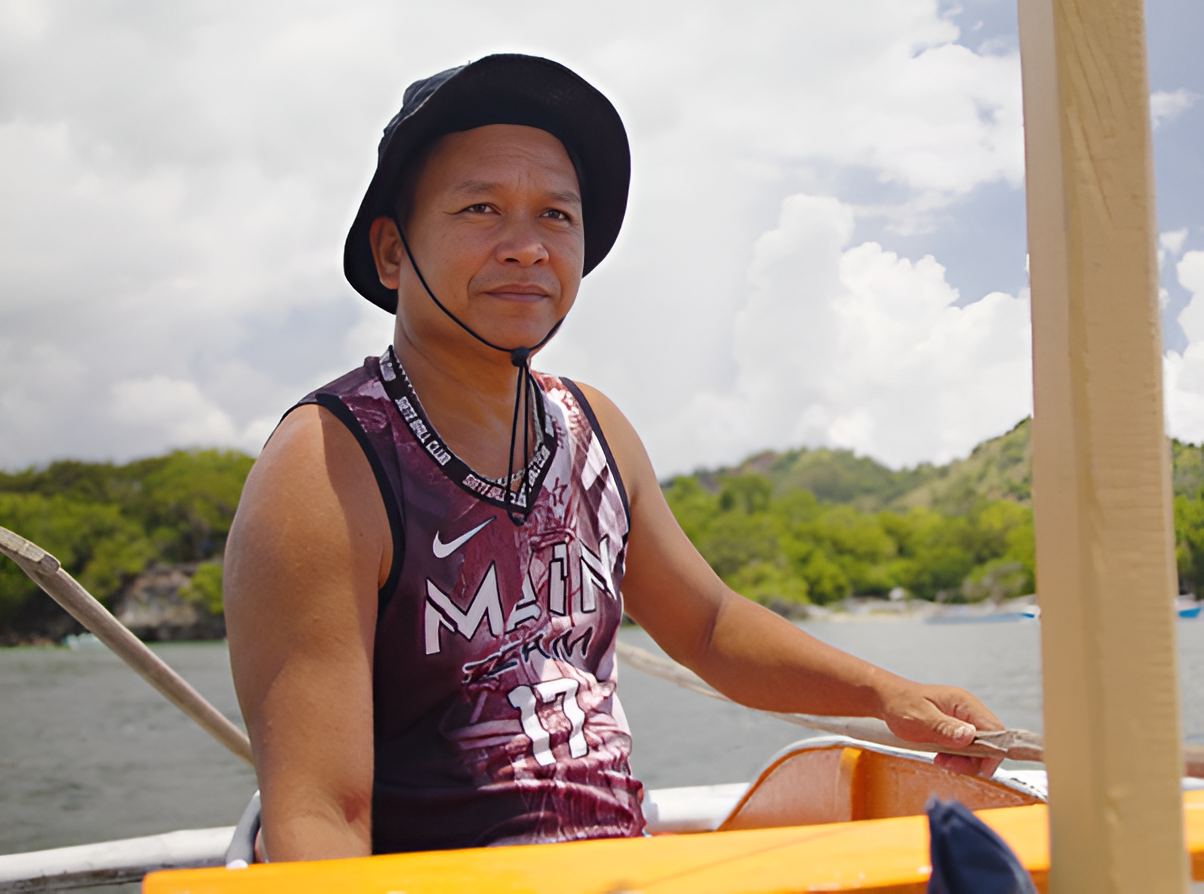
Othello Manos, President of Bitaug Fisheries Association, Philippines
Where fishers lead reef protection
With support from partners like
WCS, we were able to show the
community the value of establishing
a marine protected area, one that
will help fishers by giving reef species
an area where they are protected,
and can reproduce and grow.”

Voice of Partners
With the Trafigura Foundation we have already supported nearly 10,000 people in securing 130,000 hectares of climate-resilient coral reefs, a target we intend to double by the end of 2026.
Joe Waltson
Executive Vice President, WCS Global
Protecting oceans — and the people who depend on them
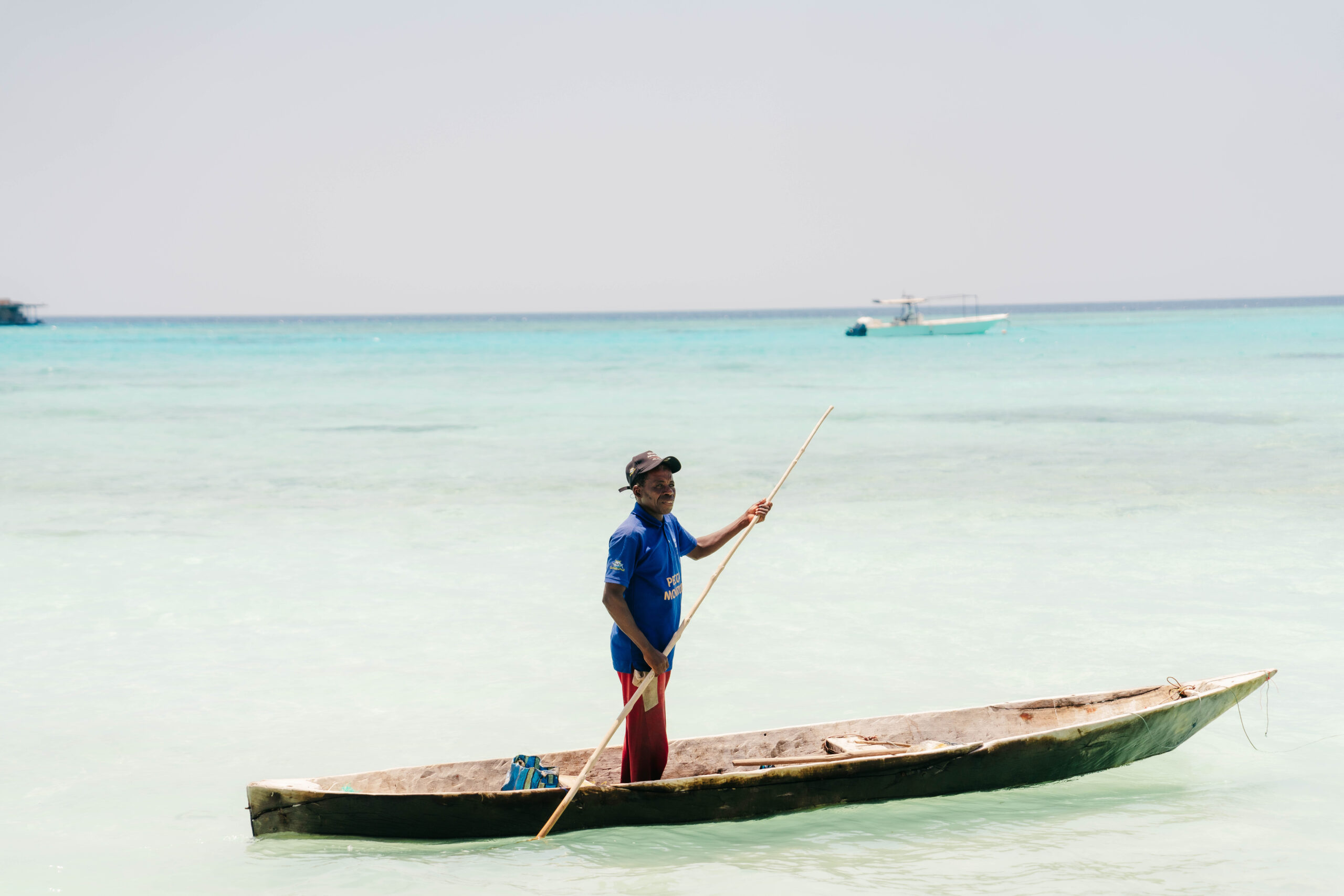
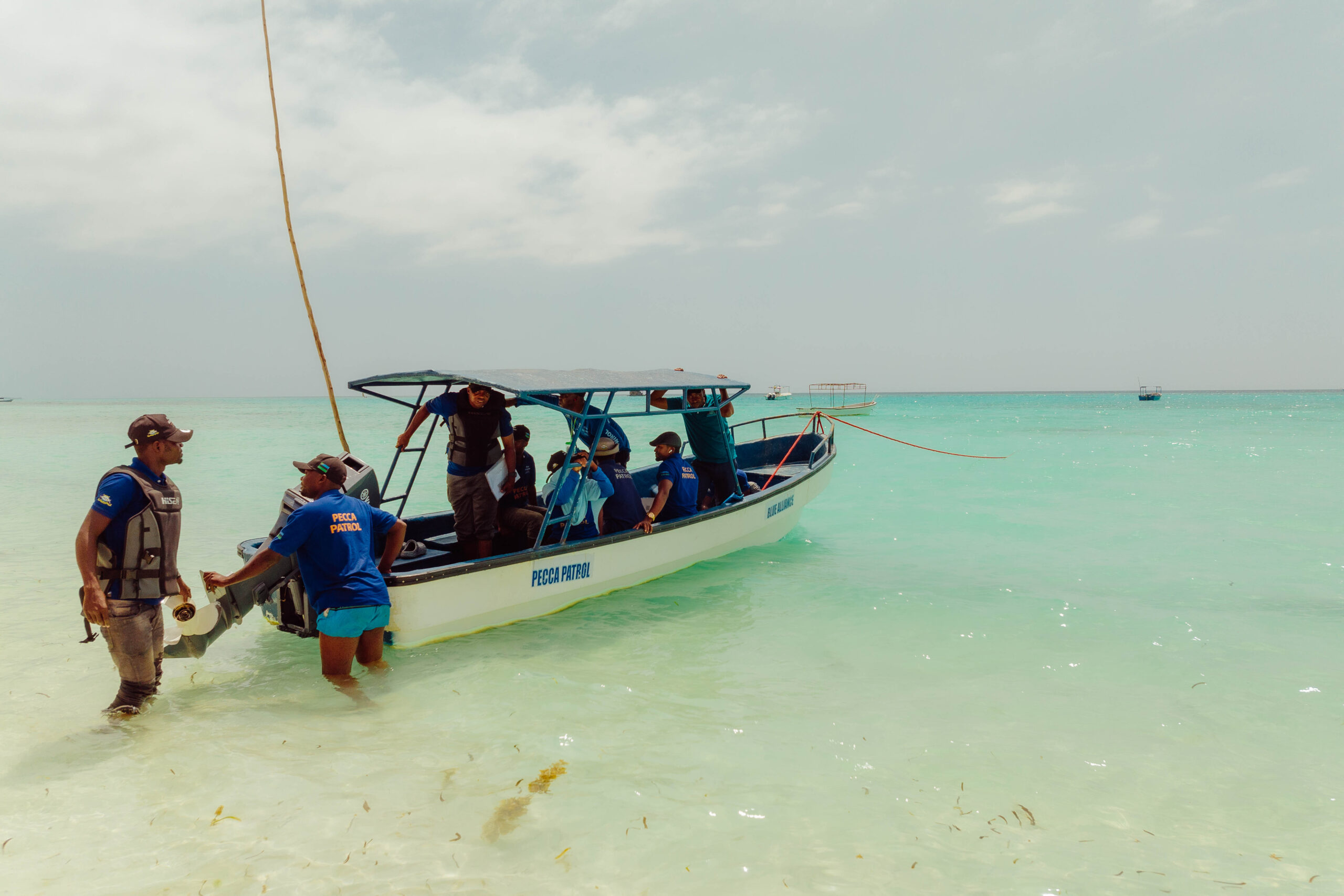
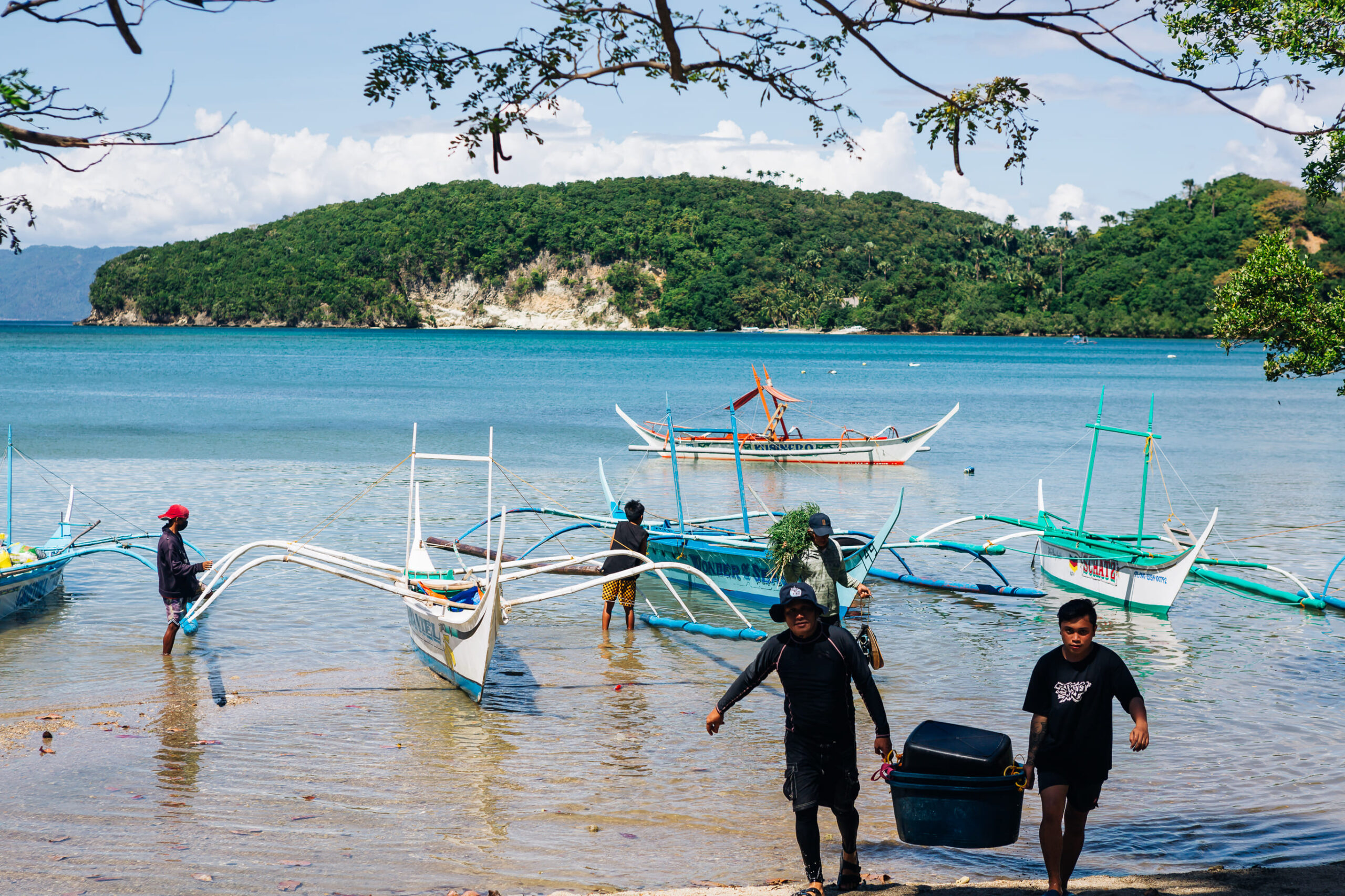
The Foundation expanded its oceans-focused portfolio significantly in 2025 through a new partnership with Blue Alliance, which co-manages marine protected areas (MPAs) in Indonesia, the Philippines and Tanzania to restore marine ecosystems, and boost the food security and climate resilience of local communities.
The organisation deploys a model based on community engagement, surveillance and protection, and scientific research. A fourth pillar is developing “reef-positive businesses” that generate jobs for local communities and revenue for reinvestment in marine protection.
In 2025, for example, Blue Alliance launched AquaHub Philippines, an aquaculture business using responsible practices to farm sea cucumbers and mangrove crabs in and around the MPAs, and BlueWild EcoVentures, a low-impact cruise company connecting travellers to Indonesia’s rich ocean heritage.
As well as supporting Blue Alliance’s mission in existing locations, the partnership aims to expand the marine area co-managed with national and local authorities from 1.7 million hectares in 2024 to 4 million hectares by 2028. Reaching this goal will improve the livelihoods and food security of about 32,000 coastal community members.
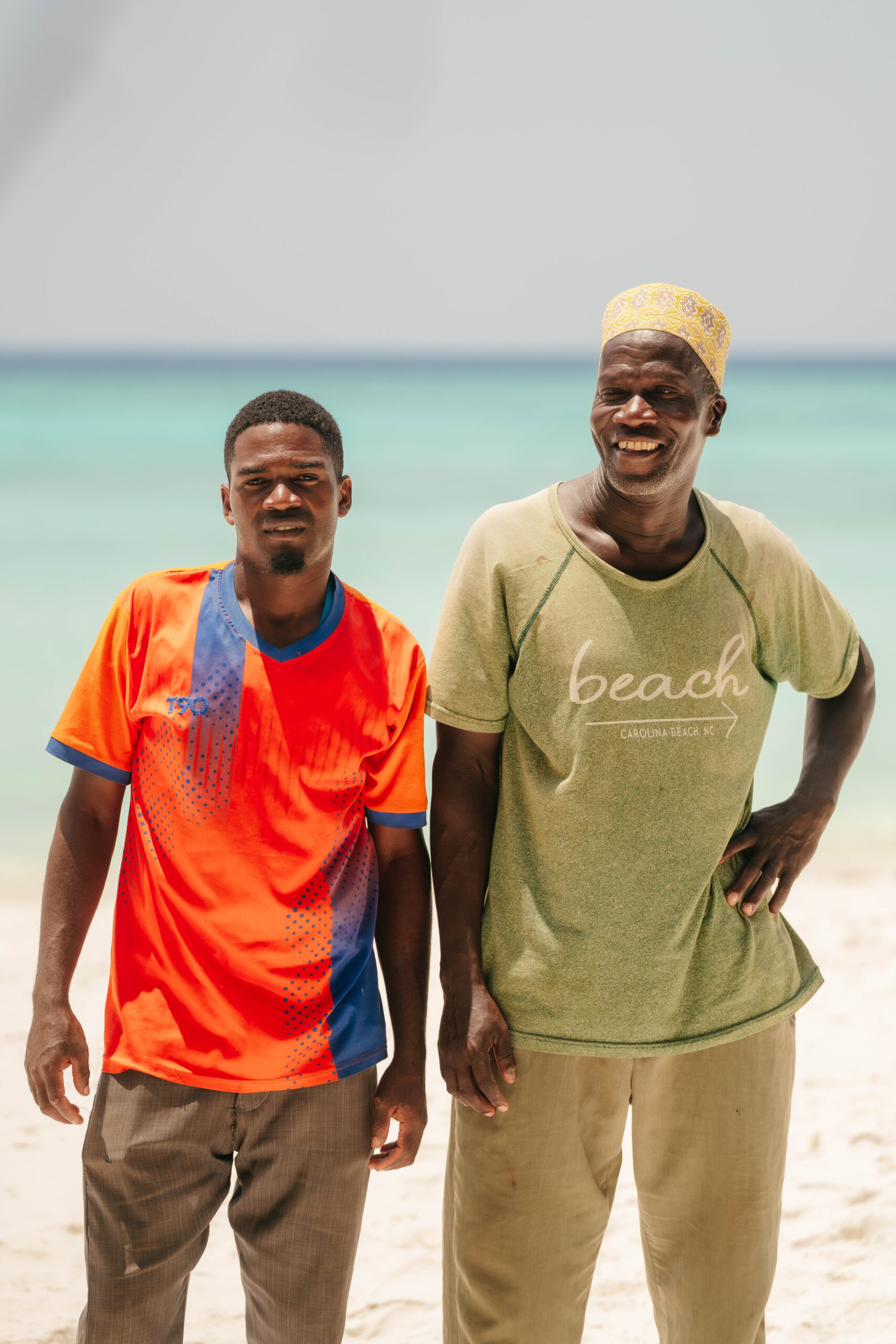
Ally Hassan,
Fisher, Zanzibar, Tanzania
A living that heals the ocean
“We need to stop illegal fishing to
have fish in the future. I would
like to express my gratitude
to Blue Alliance for helping
support more small fish being
born that will grow up and make
more fish for us to catch.”

Voice of Partners
The Trafigura Foundation’s support enables us to develop strategies that will scale our model to nearly one-quarter of the world’s coral reefs, addressing global challenges in climate resilience, biodiversity conservation, food security, and sustainable development.
Nicolas Pascal
Executive Director, Blue Alliance
How forests can grow local economies while protecting nature
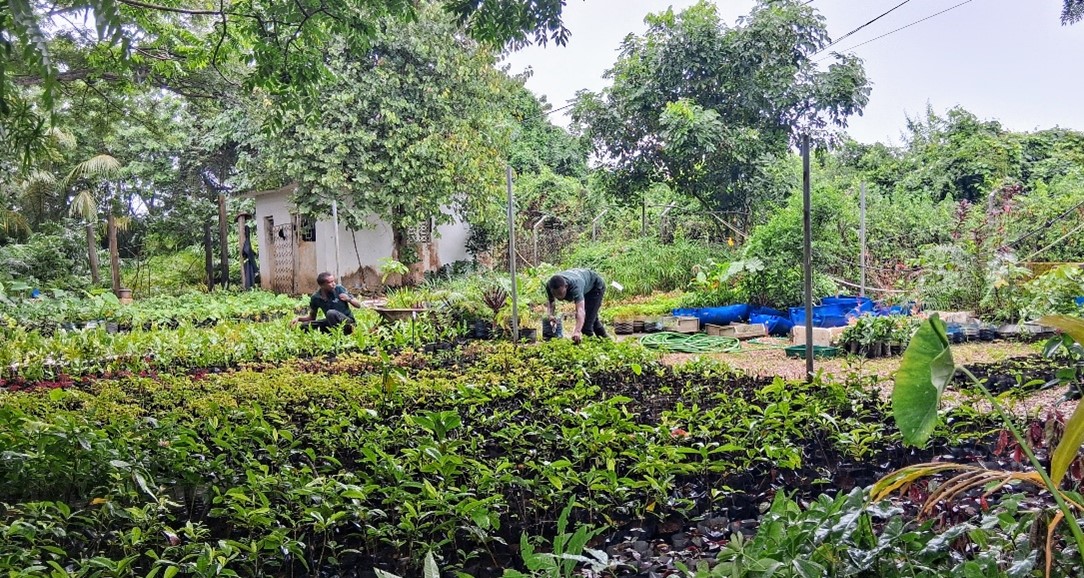
While protected areas are vital to safeguard threatened ecosystems and endangered species, sometimes the best way to conserve forests is to realise the value of the sustainable resources that they provide.
This is the approach of the Climate Smart Forest Economy Program (CSFEP), which is working to build regional regenerative forest product industries that support forests and local economies as well as climate adaptation and mitigation.
CSFEP brings together stakeholders including local businesses, community members, financial leaders and policymakers to identify and implement solutions that unlock the potential of forest products, for instance to meet demand for housing for growing populations.
In its first year of operation in East Africa, CSFEP brought together nearly 30 organisations from Kenya, Uganda, and Tanzania including businesses, architects, researchers and policymakers to start building a regenerative timber construction value chain.
This coalition launched three market-building pilots focused on easing regulatory pathways for bio‑based materials, exploring the potential of mass timber made from indigenous African tree species, and promoting timber as a high-quality, aspirational building material.
Together, these pilots are laying the groundwork for significant future impact. CSFEP estimates that meeting just 10 percent of Kenya’s annual housing demand with sustainably grown local timber could place around 5,200 hectares under climate‑resilient forest management and support livelihoods for some 25,000 farmer households.

Voice of Partners
Adaptation means more than responding to climate
risks; it means investing in systems that protect
forests, strengthen livelihoods, and give communities
the tools to shape their own future. Through this work,
we’re not only imagining what a regenerative forest
economy could be — we’re actually making it a reality.
Robyn van den Heuvel
Program Director, Climate Smart Forest Economy Program
Supporting local guardians of nature with practical skills
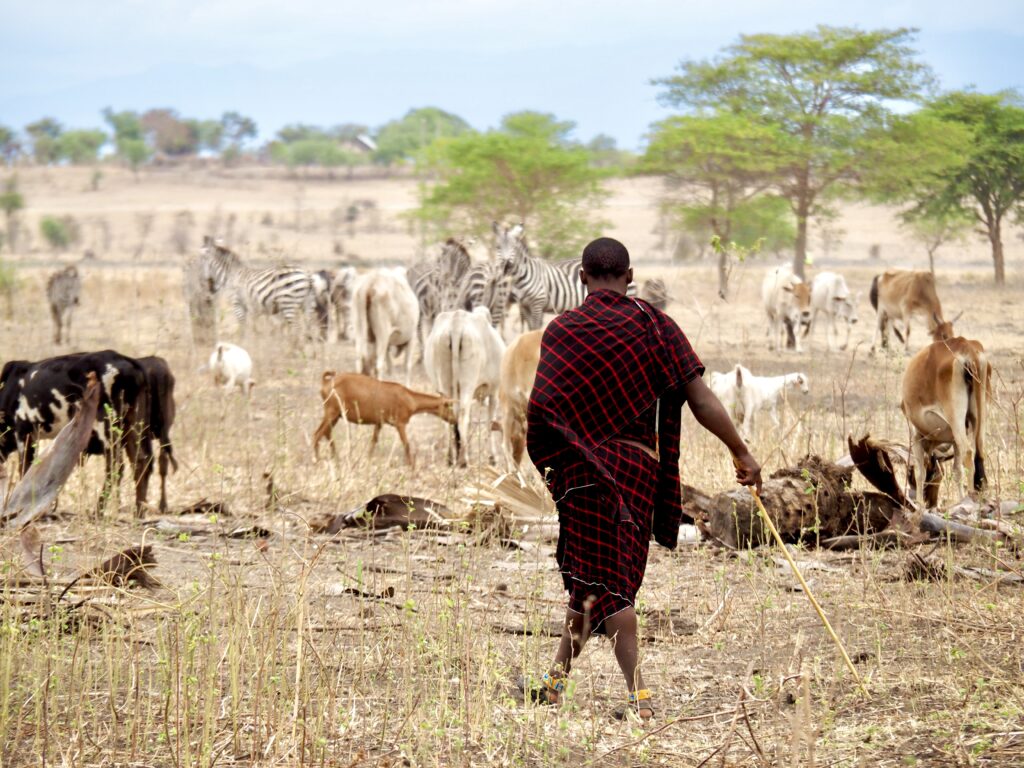
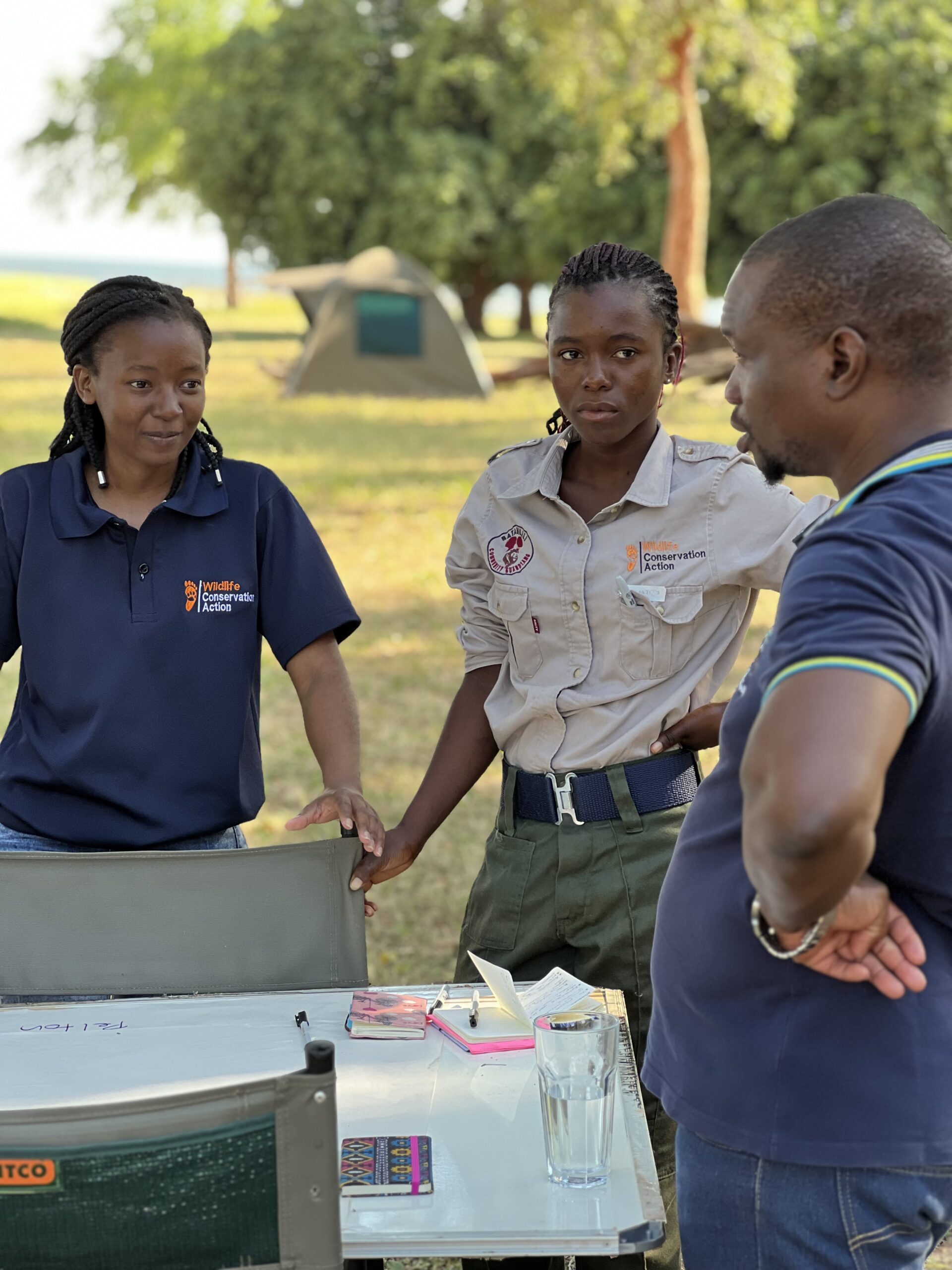
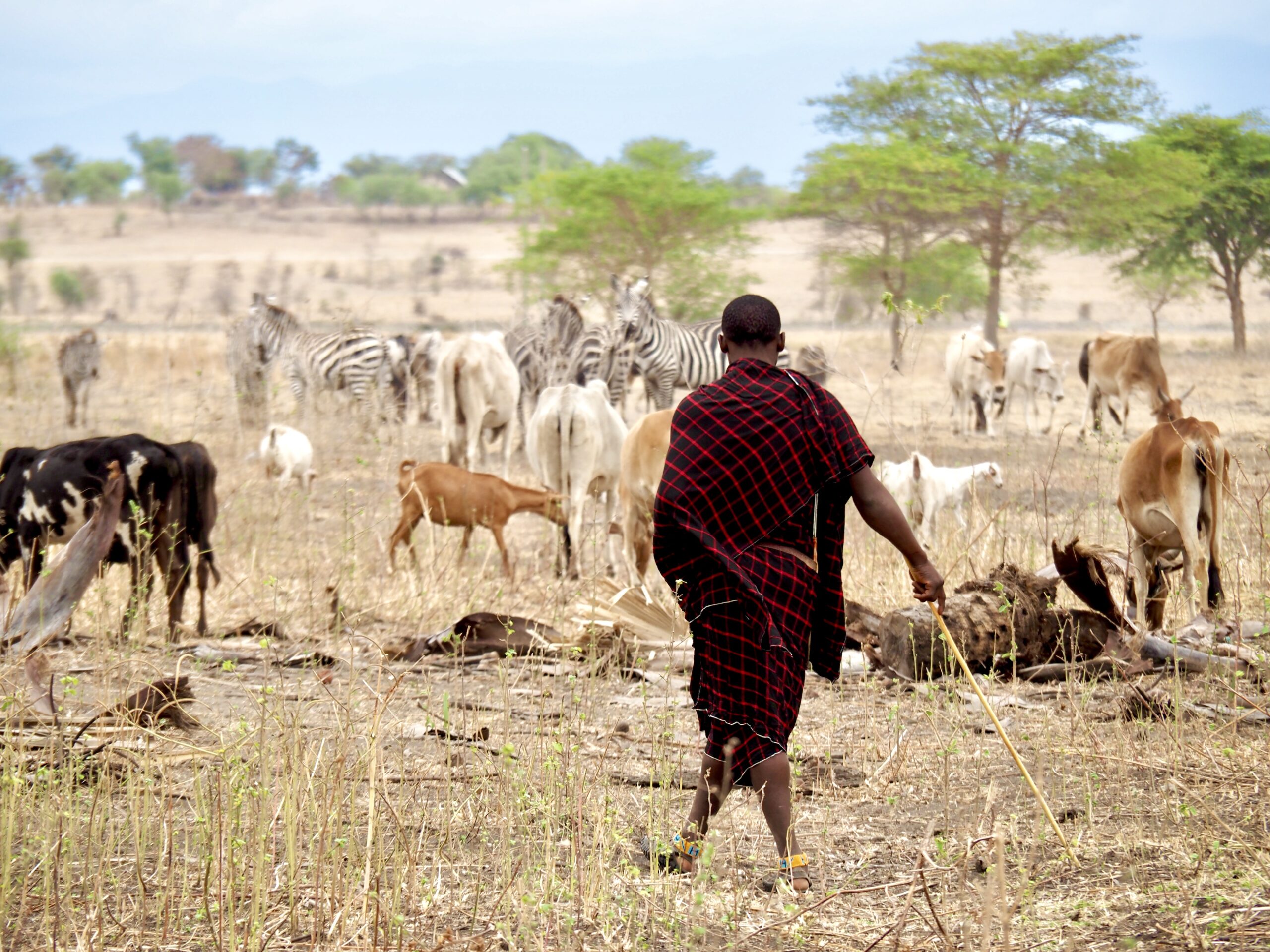
Maliasili, a Foundation partner working in sub-Saharan Africa, is focused on scaling and strengthening community-led conservation organisations to maximise their impact for people, nature and the climate. It selects high-potential local organisations and provides them with customised, multi-year support in organisational strengthening and leadership development, and increased access to funding.
With our backing, Maliasili aims to intensify its support for 19 local conservation organisations, strengthening the management of another 2.7 million hectares of biodiversity-rich land- and seascapes and improving the incomes of some 676,000 people.
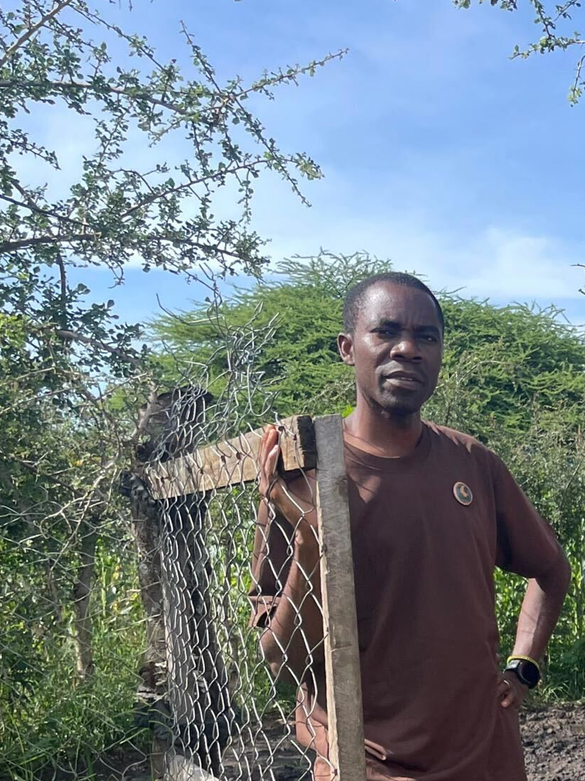
Jonathan Kwiyega,
Executive Director, WASIMA (Tanzania), an organisation working to reduce human–lion conflict and support community livelihoods through conservation.
Shaping game-changers
“The WASIMA team deeply appreciated the Seeds of Leadership workshop. Maliasili’s dedication and commitment to fostering leadership skills to our senior managers as well as upcoming young leaders has been transformational, providing our team with valuable insights and tools to enhance our leadership capabilities.”
What’s next
Looking ahead, the Foundation will continue funding programmes that both strengthen the management of critical ecosystems and support the livelihoods of the communities that depend on them.