Our areas of work 3/3
Prepared Communities
Working with communities to strengthen their capacity to prepare for, cope with, and recover from disasters.
Overview
Our approach
We fund projects that address urgent humanitarian needs while strengthening long‐term recovery and preparedness.
Challenge in numbers
USD 2.3 billion
Annual global cost of disasters
239 million
Number of people worldwide needing humanitarian assistance
2025 at a glance
We supported initiatives across:
- Anticipatory action and disaster readiness, helping communities prepare for floods, storms, heatwaves and other climate shocks before they hit, so they can stay safe and recover more quickly.
- Humanitarian response and preparedness, supporting rapid assistance during crises and helping communities plan for and adapt to growing climate‑related risks such as flooding, extreme heat and displacement.
Stories from the field
Building resilient livelihoods and conserving the natural resources and ecosystems that sustain them are central to the Trafigura Foundation’s goal of empowering people to adapt and thrive in our changing climate.
But negative impacts from climate change cannot always be avoided. That is why we also back programmes that take “anticipatory action” to prepare communities for crises and emergencies, so they don’t turn into humanitarian disasters.
From early warning systems to nature-based solutions like forest and wetland restoration, we support initiatives that build resilience to threats such as droughts, storms and flooding. We also back rapid, locally-led response and recovery efforts that restore infrastructure, livelihoods, and essential services through community-focused approaches.
Flooding on the front line of climate risk
As extreme rainfall events intensify in both frequency and severity, flooding has become the most common weather-related disaster globally.
In 2025, flooding was the top crisis trigger for our partner Start Fund, accounting for 43 of the 127 alerts raised worldwide. Globally, floods represent around 35–40 percent of all weather-related disasters and have affected over 1.6 billion people in the past two decades, causing more than USD 650 billion in economic losses.
Today, an estimated 1.8 billion people live in flood-prone areas, highlighting the critical importance of preparedness, early action, and rapid response to reduce risk and strengthen community resilience.
Highlight
Humanitarian action can at times be too slow and centralised, leaving people without support when it matters most. That’s why we back Start Network’s faster, fairer, locally led model, using risk alerts and early action to protect communities before crises escalate.
From crisis to recovery:
empowering communities to overcome emergencies
Start Network
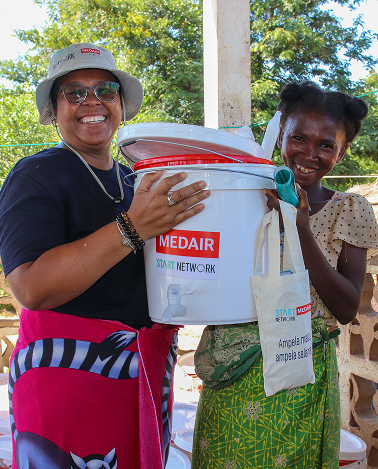
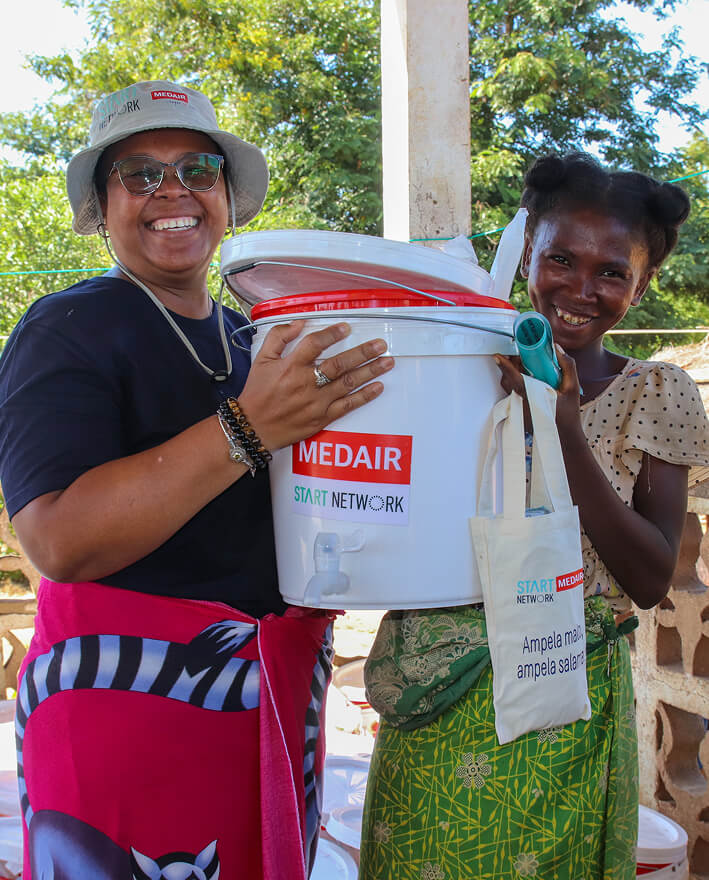
The Foundation significantly expanded its work in this area by establishing a partnership with the Start Network, a global network of frontline non-governmental organisations delivering innovative, locally led humanitarian action.
Start Network
In 2025, the Foundation established a partnership with the Start Network, a global network of frontline non-governmental organisations delivering innovative, locally-led humanitarian action.
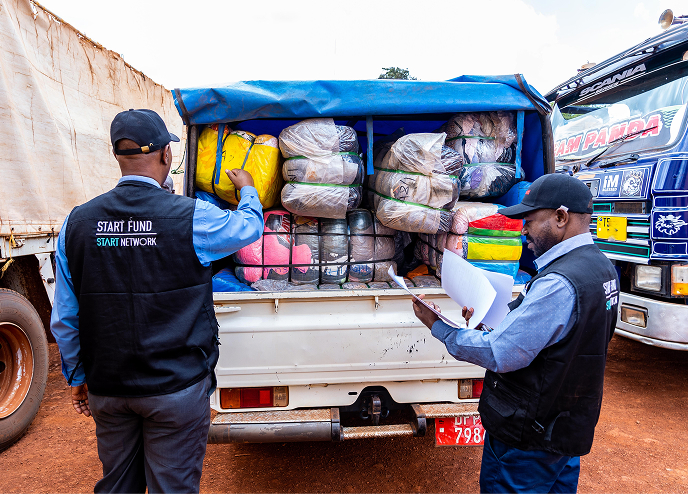
Start Network manages the Start Fund, one of the fastest-acting emergency response mechanisms in the world, and Start Ready, another pooled fund focused on preparedness for recurring crises.
© Start Network
Activities in 2025
In 2025, the Start Fund responded to 100 alerts, disbursed more than USD 32 million and reached about 2 million people in 45 countries. Since its launch in 2014, the fund has supported more than 30 million people worldwide.
While it responds to several types of crises and hazards, nearly two-thirds of the alerts raised by members of the network are climate-related. Last year, the network responded rapidly to crises ranging from an Ebola outbreak in the Democratic Republic of the Congo, to flooding in Colombia and India.

Voice of Partners
In 2025, humanitarian needs continue to grow at an unprecedented rate. Pooled funding mechanisms such as the global Start Fund are increasingly recognised as essential, providing more timely and flexible financing, and ensure that resources flow directly to national and local actors closest to the communities we serve. We are grateful to Trafigura Foundation for supporting Start Network and Start Fund to reach more communities affected by crises.
Irahyma Paredes,
Director of Business Development, Start Network
Case studies

Rapid response to save lives
In September 2025, an Ebola outbreak was confirmed in Kasaï Province, central Democratic Republic of the Congo. Communities in the Bulape and Mweka health districts faced a rapid rise in suspected cases and deaths. Local health centres lacked essential equipment and facilities, and fear and stigma kept families from seeking help.
With about USD 270,000 from the Start Fund allocated the day after the alert was raised, Start Network member ALIMA acted quickly, bringing together frontline workers, communities, and authorities to contain the spread of the disease and ensure people felt safe and supported.
ALIMA’s response focused on three critical components: prevention, infection control, and vaccination services in collaboration with the Ministry of Health. Their existing presence on the ground meant teams could immediately set up triage areas to assess patients and fully equipped treatment units. Health staff received protective equipment and support to safely manage suspected and confirmed cases. Community leaders helped run awareness sessions that reduced fear and encouraged people to seek treatment. Hand-washing stations were installed in public places and households, food assistance was provided to patients, and radio messages promoted safe practices.
Josee, a nurse manager with ALIMA, said the support from the Start Fund allowed them to react immediately: “There are so many challenges in Bulape, and these funds allowed us to intervene quickly and to deploy faster. We had everything we needed to treat the patients.”
Racing against the flood to save lives
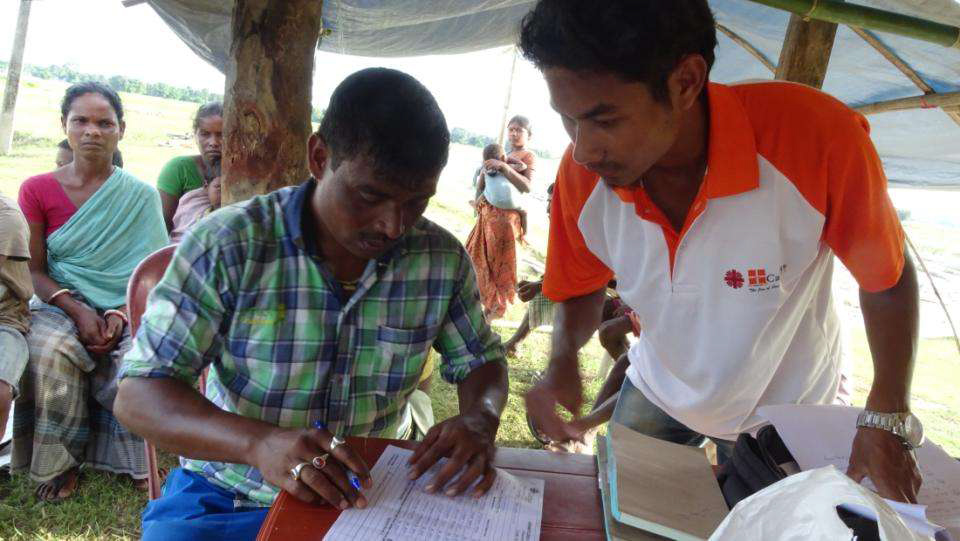
Just hours after flash floods tore through the Dharali valley in northern India in August 2025, Caritas India, with support from the Start Fund, mobilised lifesaving assistance for affected families. Response teams negotiated broken roads and unstable terrain to deliver emergency aid to 700 households in five of the most devastated villages.
Each affected family received cash assistance to meet their immediate needs. Shelter kits and essential household items such as utensils, mattresses and hygiene materials were provided to restore some comfort and stability to people who had lost everything.
The Start Fund’s rapid financing and Caritas India’s coordinated effort turned anguish into action within days, showing how collective humanitarian solidarity can move faster than disaster.
Testimonial
Start Fund enabled Caritas India to address the immediate and lifesaving needs of the affected population. Start Fund has provided rapid financing that otherwise would not have been possible.”
Caritas India, which delivered cash assistance, shelter kits and essential items to 700 households in five villages hit by flash floods in the Dharali Valley of northern India in August 2025.
Ready before disaster strikes:
transforming humanitarian response
Start Ready
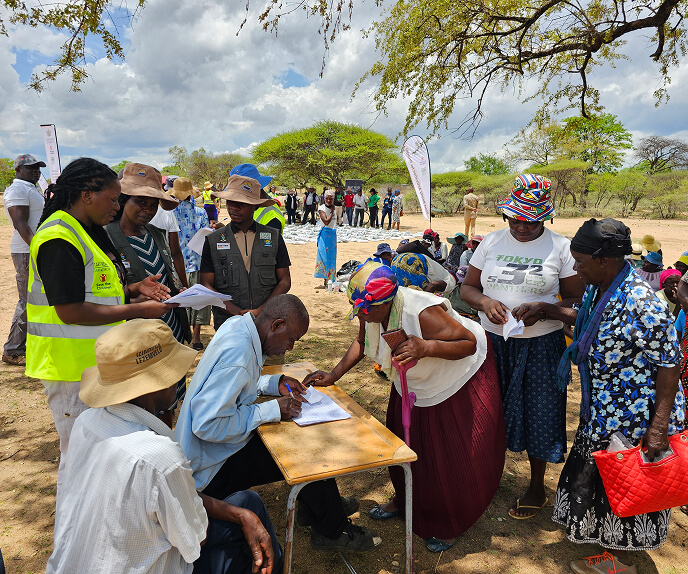
Start Ready is a unique financing mechanism that embraces advance planning to reduce the harmful impact of recurring, climate-fuelled emergencies.
Through Start Ready, Start Network pre-positions funding for emergencies than can be modelled and predicted. Funding is released when danger thresholds in a pre-defined contingency plan are reached.
This allows network members to plan for, anticipate, and respond earlier to risks – a much more effective way of tackling crises than reacting after the event. It also enables Start Network to pool funds and resources, and stretch Start Ready’s coverage to include more risks across more countries.
Between May 2024 and April 2025, the mechanism was activated 14 times, reaching nearly half a million people with timely, anticipatory support. The crises addressed included heatwaves and floods in Pakistan, a cyclone in the Philippines, and drought in Zimbabwe.
With support from the Foundation, Start Ready aims to provide stronger protection to more than 1 million people in 11 countries across Africa, Asia and Latin America.
Beyond reactive aid: how pre-arranged finance saves lives and money
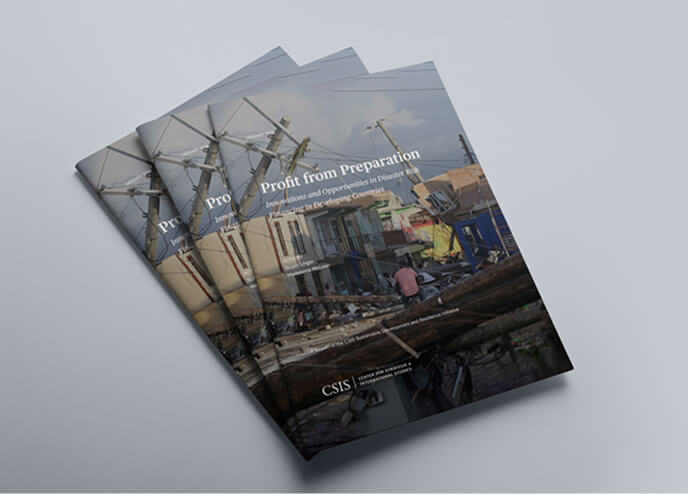
In 2025, the Trafigura Foundation commissioned research into the potential of innovative financing mechanisms for anticipatory action to make disaster management more effective and efficient at a time of when aid budgets are under pressure and climate-related emergencies on the rise.
Undertaken by the Center for Strategic and International Studies (CSIS), the research comprised an analysis of pre-arranged disaster risk finance and insurance programmes – including the pioneering initiatives of Foundation partners the Start Network and the International Rescue Committee – as well as case studies from Africa and the Middle East.
Among its key findings, the report points to the need for better risk information in developing countries; greater donor support for pre-arranged crisis finance; more engagement of the private sector and non-government organisations, and increased investment from philanthropies.
What’s next?
We will continue strengthening prepared communities by backing the Start Network’s models, enabling people to act early and stay safe when crises hit.
This envisions:
- More support for early‑action and risk‑reduction systems like Start Ready, which enables communities to brace for predictable climate‑related hazards through pre-arranged, rapid financing.
- Continued backing for fast, local crisis response through the Start Fund, which releases funding within 72 hours to help frontline organisations act quickly during under‑the‑radar emergencies.
100
alerts responded to by the Start Fund in 2025
32
million USD disbursed to rapid response worldwide
2
million people reached across 45 countries
Our Partners
Extreme weather disrupts and endangers millions every year. In 2025, we backed initiatives that enable communities to anticipate climate risks, strengthen nature‑based protection, and recover faster when crises hit.
Building a ‘resilience corridor’ across West Africa
The International Rescue Committee (IRC)
Another Foundation partner embracing anticipatory action to make crisis response and recovery more effective is The International Rescue Committee (IRC).
The IRC works to help people affected by conflict and disaster to survive, recover, and gain control of their future, for instance by building climate resilience, forging more sustainable livelihoods and preparing better for shocks.
The IRC partnered with the Foundation to develop its ‘Follow the Forecast’ model, which leverages technologies – including weather data, satellite technology and artificial intelligence – to detect high risks of flooding or drought, enabling timely humanitarian intervention.
In 2025, the IRC used this approach to trigger interventions from its Anticipatory Action Fund in drought-threatened areas of Iraq and Afghanistan. Targeted cash assistance, early warning messages, and water treatment kits were delivered to 3,800 households in at-risk communities.
An evaluation of the first activation of the fund in 2024 to alleviate flood risk in Guatemala found that 90 percent of families used the cash payments they received to stock food, buy medicine and reinforce their homes, reducing their losses and boosting their resilience.
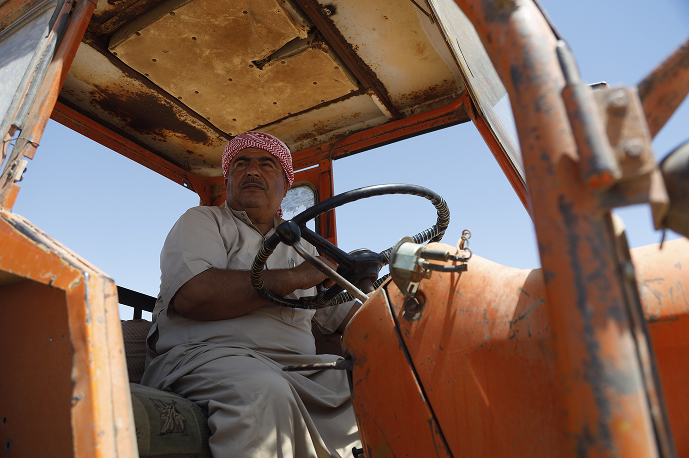
Our support also went toward the IRC’s work to reduce risk through research and innovation in areas including seed security and livelihood diversification in northeastern Syria, a region where farmers have been afflicted by drought, insecurity and economic deterioration. Robust seed supplies are not just essential for farmers’ livelihoods but also for the food security of their communities. The IRC’s programme is also an opportunity to address women’s exclusion from agricultural value chains.
In 2025, the IRC, with support from the Trafigura Foundation worked directly with 374 farming households, providing 1,806 people with access to higher-quality seeds. We also reached 3,745 households with anticipatory action before the onset of severe drought.

Voice of Partners
The support from Trafigura Foundation has been essential for the IRC’s work to support communities who live in the most fragile and climate-vulnerable areas, helping them build resilience.
Tara Clerkin
Climate Resilience Global Practice Lead, the International Rescue Committee
Where the rains failed, opportunity grew
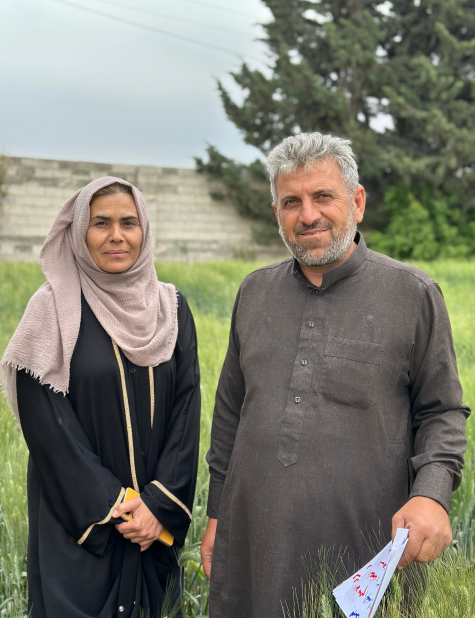
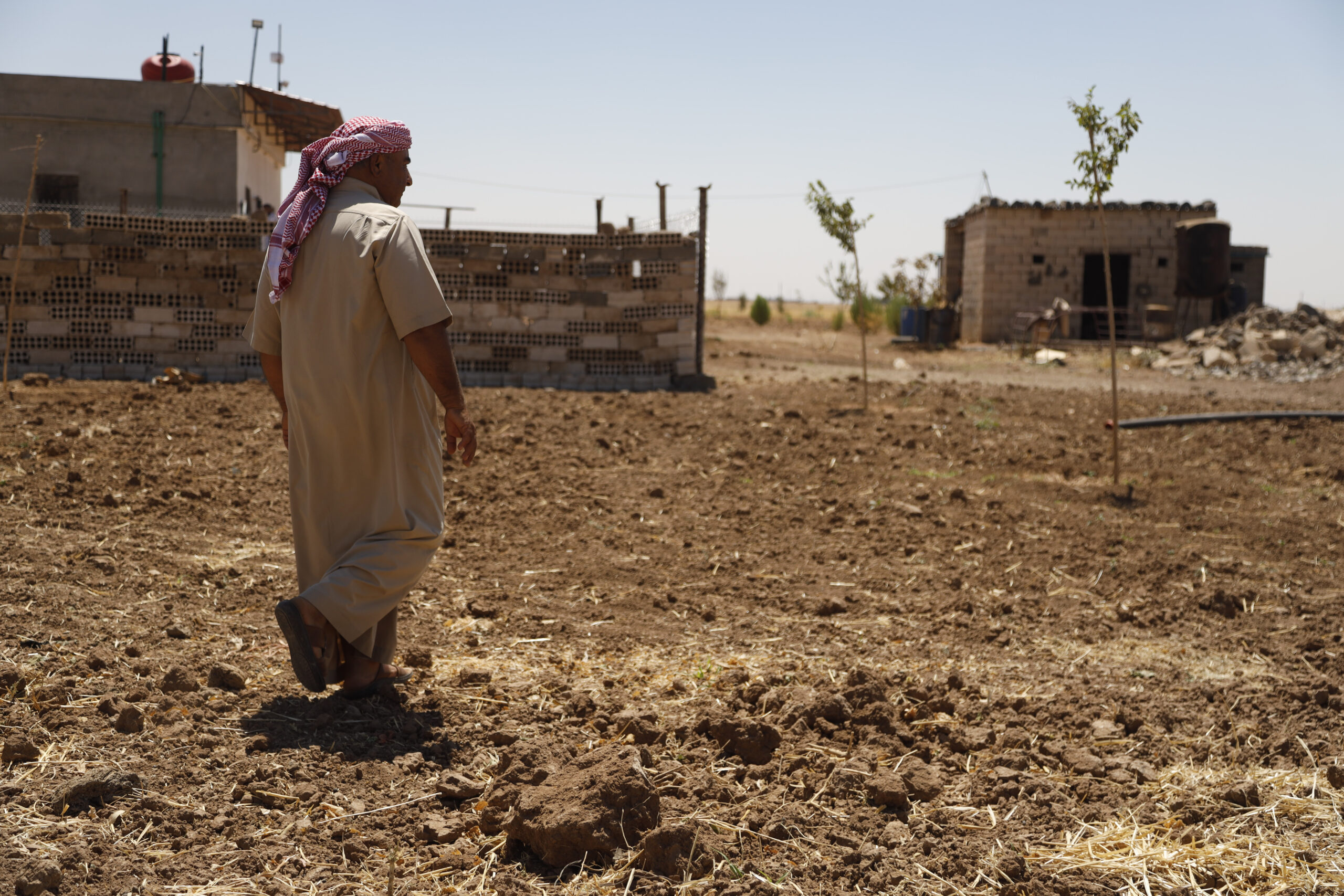
In Syria, Anwar walks the land he has tended for nearly four decades, now confronting seasons of unpredictable weather and repeated losses.
“When it rains, we gain. When it doesn’t, we lose everything,” he says. After years of poor harvests, he joined the IRC’s Seed Security project, receiving the seeds, training and support needed to restore his fields, turning uncertainty into a season of recovery.
Despite tough conditions, he brought in a strong crop, helping secure his family’s livelihood.
Backing the best innovators in the race to resilience
Global Resilience Partnership (GRP)
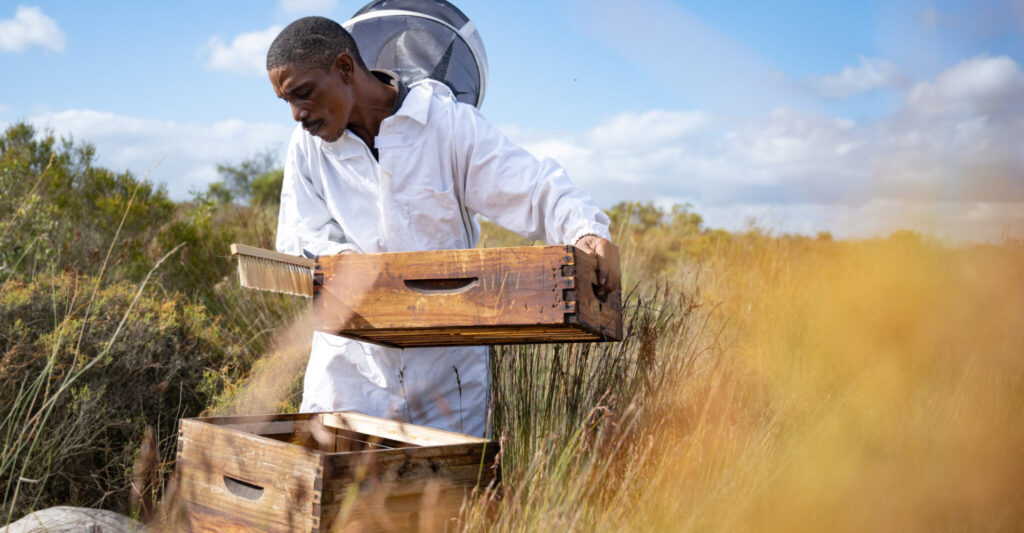
A new Foundation partner with a focus on harnessing innovation to drive climate resilience is the Global Resilience Partnership (GRP), an alliance of more than 90 organisations focused on scaling solutions, generating and sharing knowledge, and shaping policy.
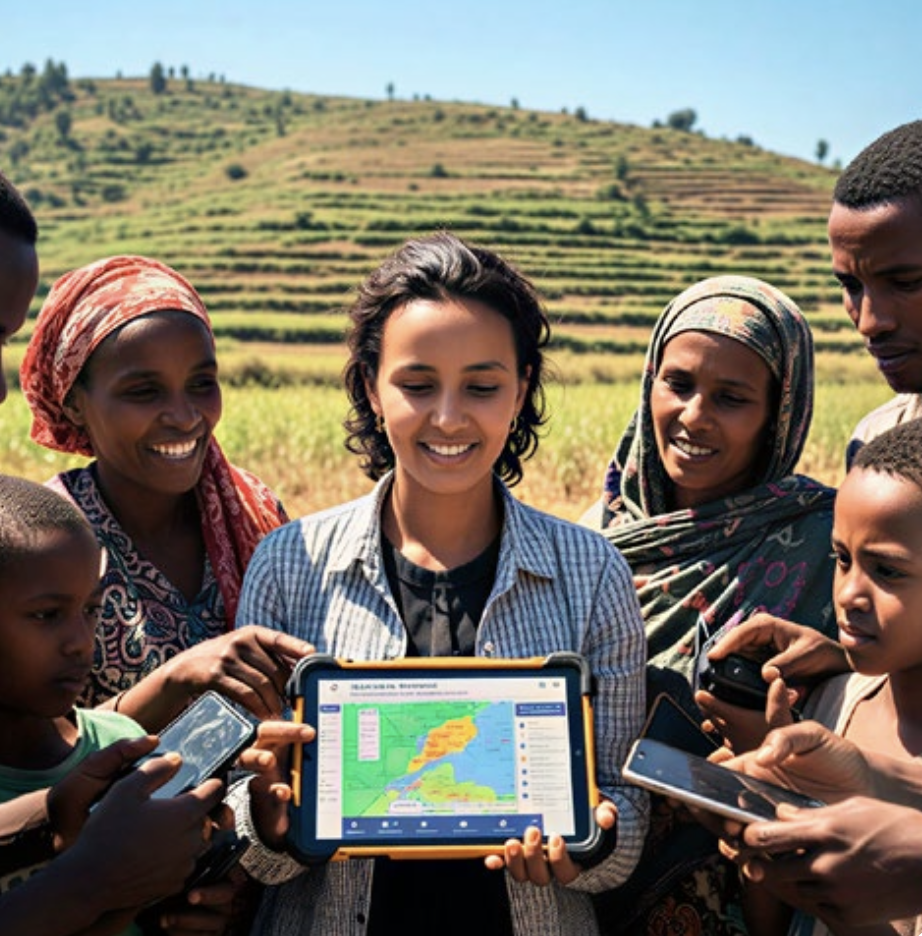
Among its activities, GRP runs Innovation Challenges, an accelerator-type programme to foster climate adaptation solutions in rural and urban settings. GRP identifies promising ideas and innovators, provides them with financial support, builds their capacity, and helps them pitch their projects to investors.
At the COP30 climate conference in November, GRP announced the eight winners of its Trafigura Foundation-backed TECH (Technology for Evolving Challenges in Humanitarian Contexts) Challenge for innovators that apply artificial intelligence (AI) to strengthen the resilience of communities facing extreme weather, conflict, health and food system shocks, and improve crisis management. The winners were selected from more than 300 proposals and 15 finalists.
Earlier in the year, GRP also announced finalists in its RISE (Resilience Innovation through Scaling Entrepreneurship) Challenge to develop potential solutions to build resilience in informal urban settings.
GRP estimates that projects supported through a series of Foundation-funded challenges will ultimately mobilise an additional USD 2 million and increase the resilience of about 200,000 people.
Winners of the 2025 TECH Challenge using AI to boost climate resilience
Re-routing aid to cyclone-hit communities
Root Capital
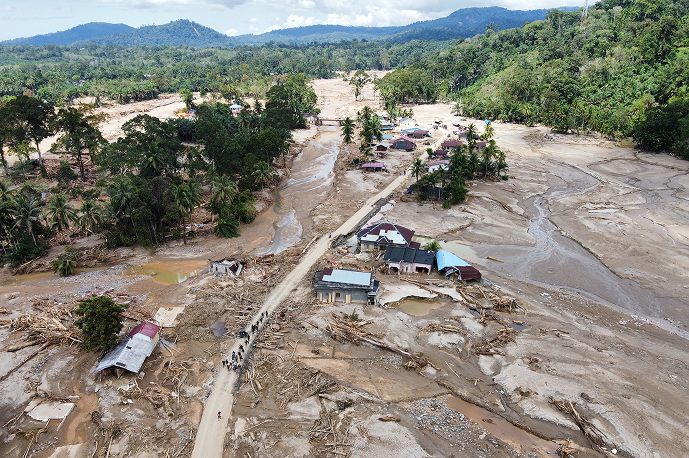
In 2025, the Trafigura Foundation approved a request from Root Capital, a Foundation partner focused primarily on supporting sustainable rural businesses, to re-allocate part of our support to address the needs of communities hit by a tropical cyclone in Indonesia.
Cyclone Senyar hit northern Sumatra in late November, causing deadly flooding and landslides that affected millions of people and caused massive economic damage, including to agricultural infrastructure, in a region known for its coffee production.
In response, Root Capital quickly mobilized to provide USD 34,200 in emergency resilience grants to nine lending clients in December. Agricultural businesses played a central role in local response efforts, leveraging their offices and warehouses as temporary shelters and organizing relief distributions. Grant funding was used to purchase and distribute essential goods such as rice, tinned fish, cooking oil, and fuel at a time when prices had surged and supply chains were severely disrupted.
Bapak Ibrahim, a beneficiary representative, noted the support was “very beneficial” as the community is “currently facing significant difficulties accessing transportation due to many roads being damaged and limited fuel availability.”
“Innovative tools have the potential to save money, enable timelier and more reliable actions by prepared communities, and foster faster recovery from disasters relative to some more traditional and reactive approaches to aid.”

Voice of Leadership
When disasters threaten to undo years of progress, rigid funding structures become obstacles rather than enablers. Flexible funding isn’t about abandoning strategy; it’s about ensuring our support remains relevant to the realities on the ground.
Dario Soto Abril
Executive Director, Trafigura Foundation
When calamity strikes: the Foundation’s flexible response
Responding to Punjab’s monsoon floods
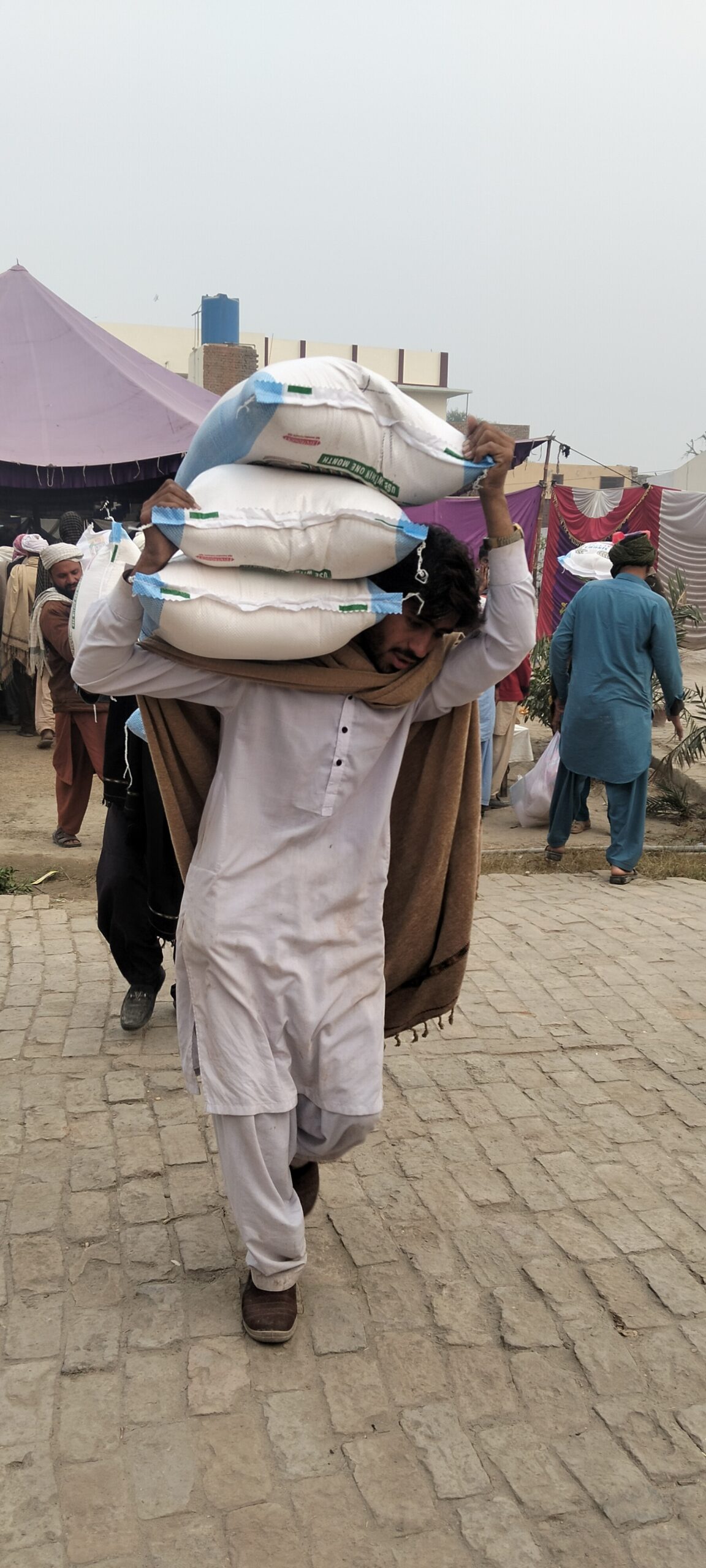
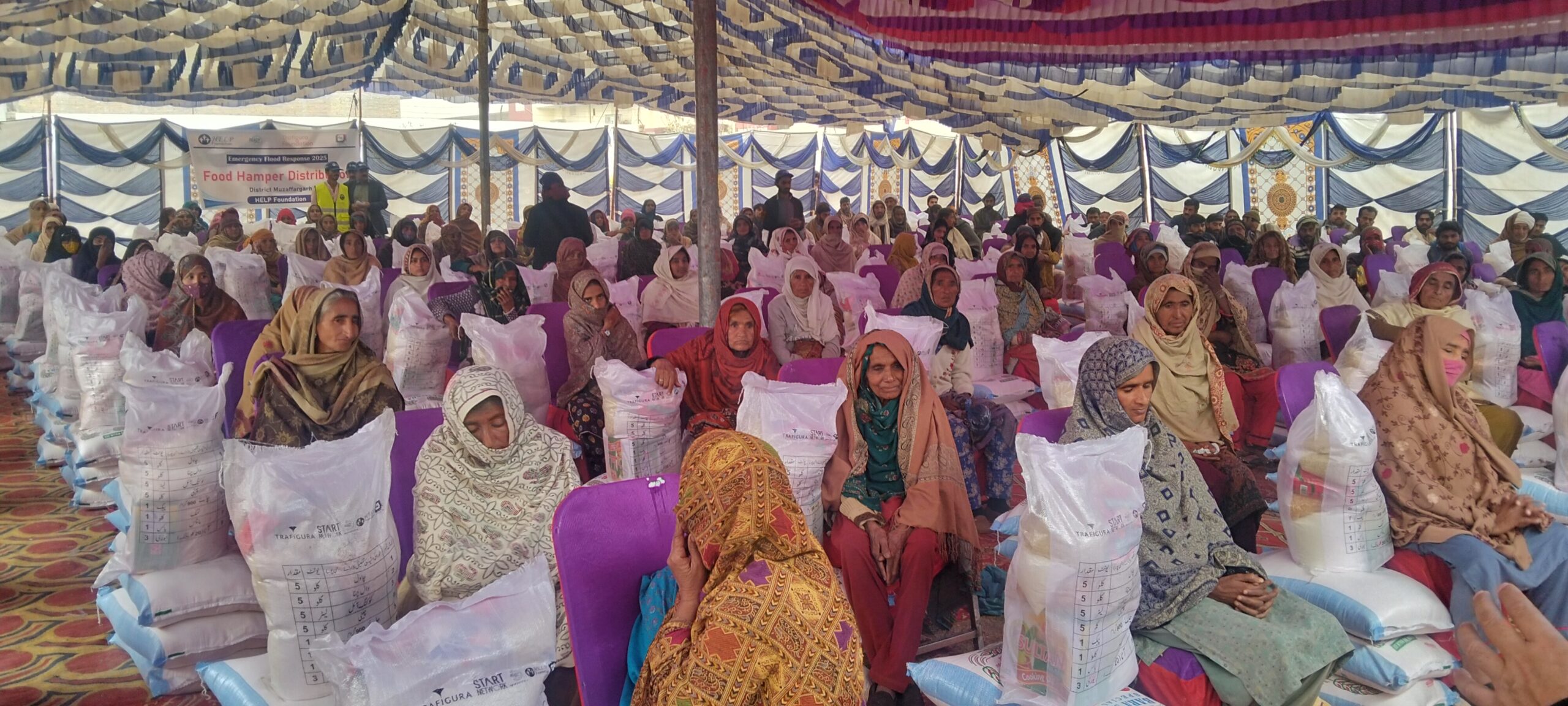
In 2025, heavy monsoon rains caused severe flooding in the Punjab Province of Pakistan, killing hundreds of people and displacing around 3 million. The Trafigura Foundation supported the emergency response in the hard-hit districts of Muzaffargarh and Bhawalpur. Through READY Pakistan, a local hub of the Start Network, we funded the provision of one-month food rations to more than 4,300 people.
New for 2026
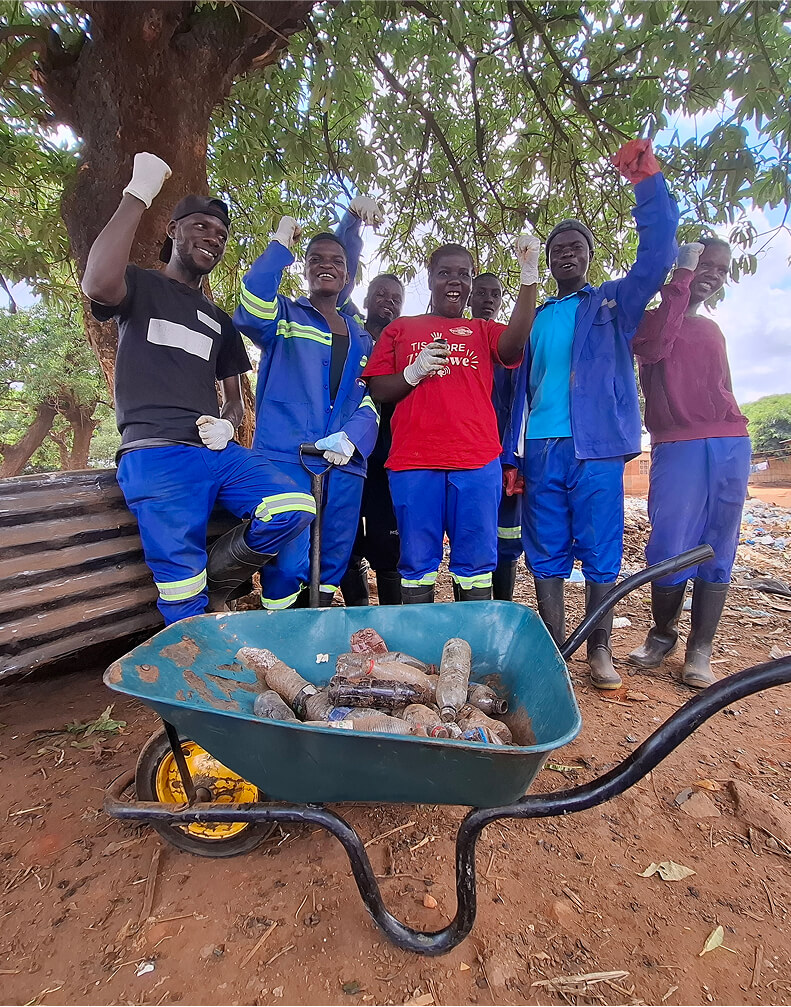
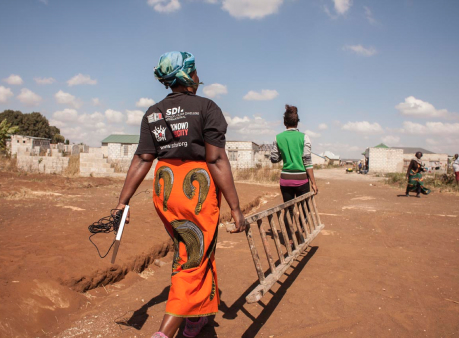
The Trafigura Foundation and Slum Dwellers International (SDI) have agreed to a new partnership to deliver climate-resilient slum upgrading in cities across southern Africa.
Support from the Trafigura Foundation will enable Slum Dwellers International to partner with urban poor communities to plan, design, fund and deliver solutions that improve the resilience of about 50,000 people in eight cities across Zambia, Zimbabwe and South Africa. This includes promoting nature-based solutions to address ecosystem degradation in slums and providing access to basic services like waste management, housing and sanitation.
The Foundation will also partner with New Energy Nexus to scale entrepreneur-led solutions that climate-proof small businesses in vulnerable urban areas across Indonesia, Nigeria and Pakistan.
Through technical support, funding and access to networks, the partnership will strengthen the resilience of 200 small businesses by deploying early warning systems and improved infrastructure developed by 13 local entrepreneurs. It will also elevate these entrepreneurs’ national profiles and increase their revenues by at least 50%.