
2025: Leading on resilience
Top 4
Position of extreme weather events and other climate-related hazards in a ranking of long-term global risks
Source : UNEP-WCMC
In 2025, the Trafigura Foundation deepened its focus on building the resilience of vulnerable communities and ecosystems, and stepped up its role in catalysing investment for scalable solutions to the challenges of climate change.

Lasting change for people and nature
Under its 2023–2027 strategy, the Trafigura Foundation supports the creation of resilient communities and ecosystems around the world through long-term initiatives that drive significant and enduring change.
Operating through partnerships and coalitions, the Foundation advances large-scale climate adaptation by safeguarding and empowering people and their livelihoods, championing nature-based solutions and supporting effective on-the-ground action.
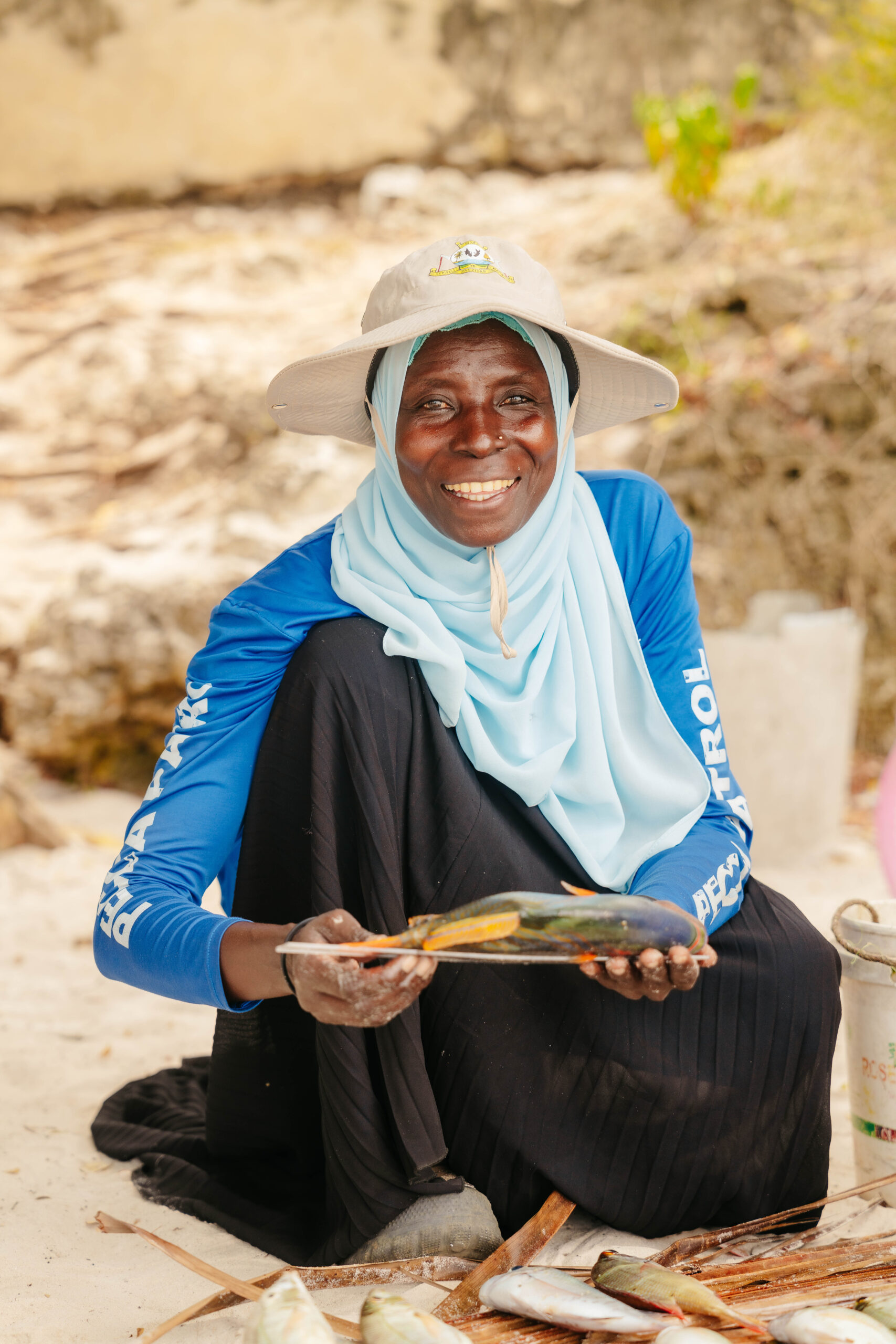
We are concentrating our efforts on 21 low- and middle-income countries that are vulnerable to the impacts of climate change and where our assistance can bring major benefits.
A focused portfolio
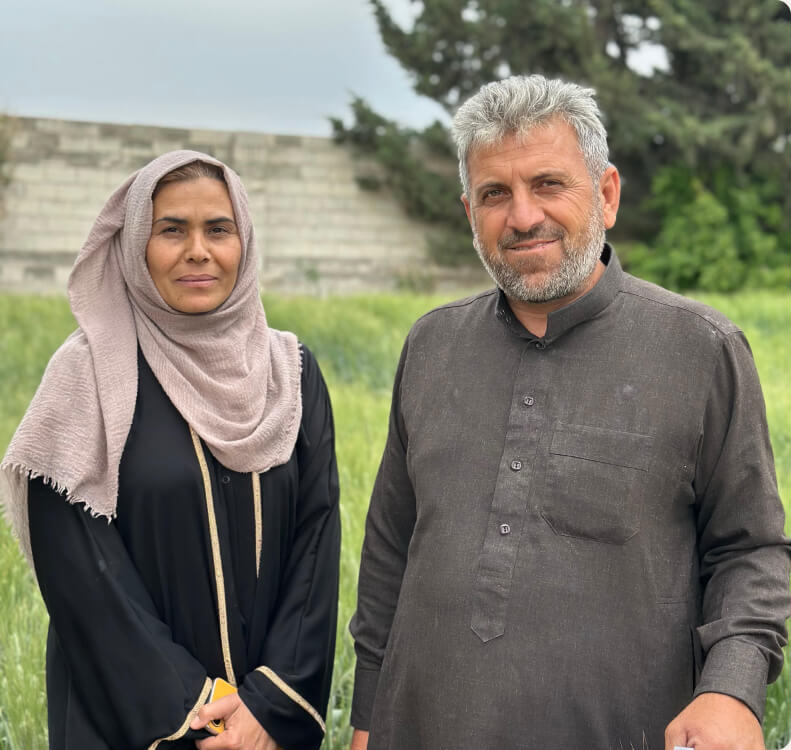
With the ambition to become a leading corporate philan- thropy in the resilience space, the Foundation has built a portfolio of partners with the skills and experience to deliver solutions in three closely interrelated areas: sustainable livelihoods, prepared communities and thriving nature.
In 2025, the halfway point in the implementation of our 2023–2027 strategy, that portfolio matured further with the approval of 11 new partnerships, lifting the total number of programmes supported to 25, with interventions spread across Africa, Asia and Latin America.
Detailed accounts of how our partners’ work on the ground is enabling people and communities to reduce growing risks from climate change, and improve their lives and livelihoods are provided in the main sections of this report, as is the Foundation’s support for charitable activities organised by Trafigura Group staff around the world.
Trafigura Foundation priority countries:
Africa
Angola, Democratic Republic of the Congo, Egypt, Ghana, Nigeria, South Africa, Tanzania, Zambia, Zimbabwe
Asia
India, Indonesia, Mongolia, Pakistan, Papua New Guinea
Latin America
Argentina, Brazil, Colombia, Mexico, Nicaragua, Paraguay, Peru

An alliance for impact
To maximise its impact, the Foundation engages closely with partners and philanthropic peers, including through visits to projects in the field, and helps convene coalitions to design solutions and catalyse the finance needed to realise them at scale.
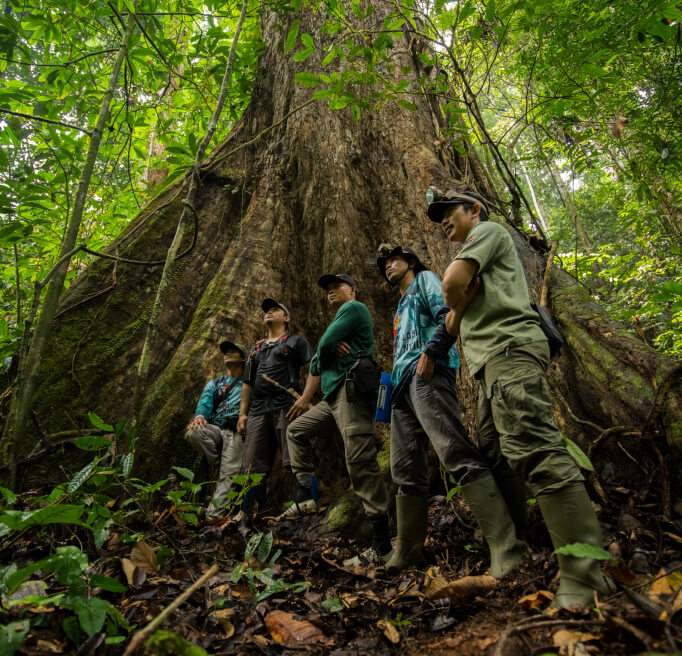
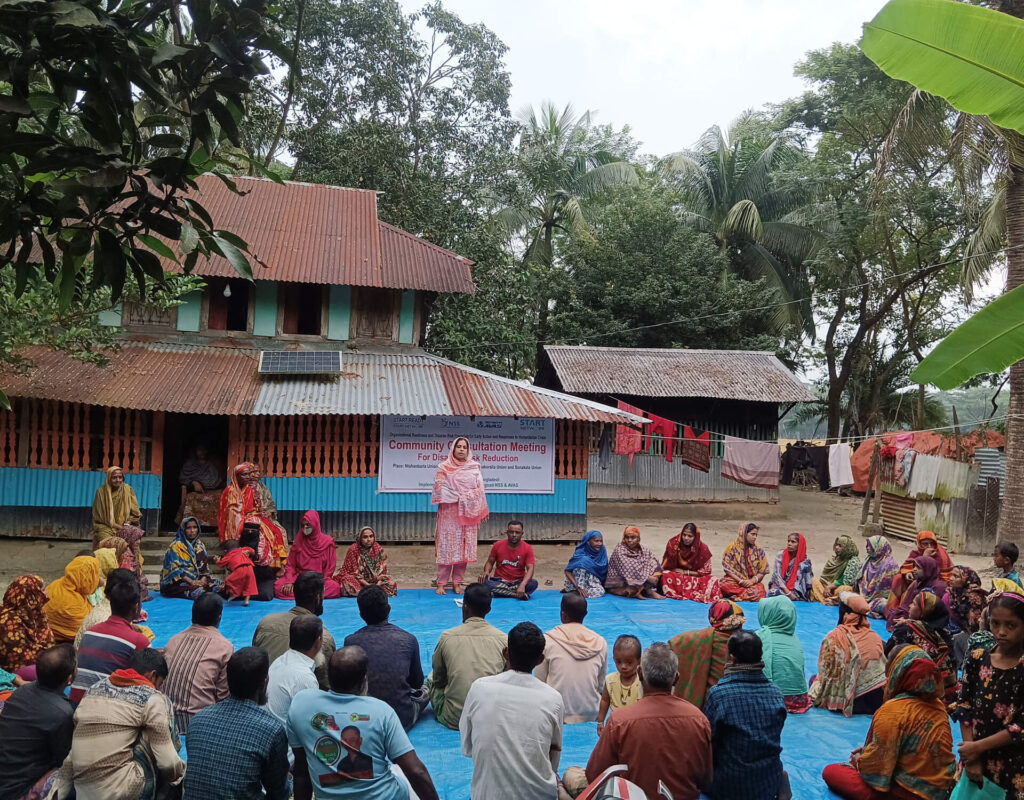
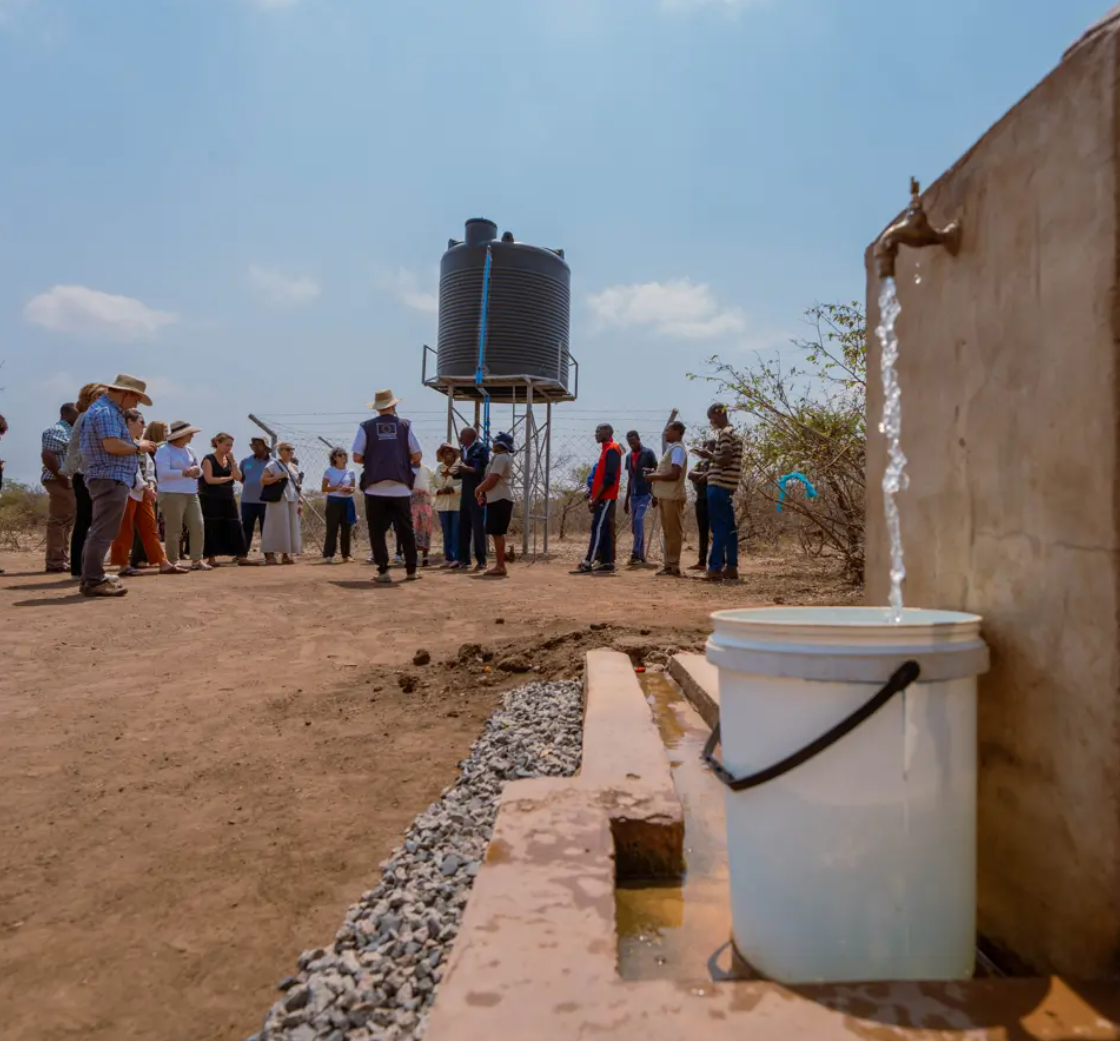
In 2025, for instance, Foundation staff visited a partner project that is safeguarding communities in Tanzania and Zimbabwe from the impacts of climate-linked emergencies such as drought and displacement. We also travelled to Indonesia to gain insight into how protecting coral-rich ecosystems builds sustainable livelihoods for coastal communities.
By deepening our understanding of challenges and opportunities on the ground, partner visits further strengthen the capacity of our staff to not only identify and support effective solutions, but also to advocate for more resilience-building initiatives from donors and policymakers.
79%
Share of Foundation funding that directly supported local organisations or solutions
In 2025, the Foundation’s Management Team deployed our growing institutional expertise in a series of high-level discussions, from the UN Ocean Conference and New York Climate Week to a retreat in Costa Rica to shape the agenda of the COP30 climate summit.
The Foundation continued to shape global climate‑adaptation practice. Through networks and collectives such as Start Network, Latimpacto, the Asia Venture Philanthropy Network, and the Adaptation and Resilience Collaborative hosted by ClimateWorks, we have been pooling resources for greater impact, sharing pipelines to make philanthropic practice more efficient and collaborative, and helping set the agenda on emerging issues — from anticipatory disaster management to extreme heat as an existential risk for low‑ and middle‑income countries, and the implications of recent USAID funding cuts for frontline organisations.
Key to our coalition-building efforts is closing the adaptation finance gap, a shortfall that has loomed even larger as aid budgets have come under pressure.
As well as participating in expert panels, workshops and conferences, including during the World Bank Spring Meeting in Washington, DC, and the Blue Economy and Finance Forum in Monaco, the Foundation in 2025 commissioned an expert study of the potential of innovative financing mechanisms to make disaster management more effective and efficient.
Scaling global resilience
In 2025, we turned partnerships and capital into real‑world solutions for people on the front lines.

Voice of Leadership
Resilience is broadening. In many conversations, I hear health, climate migration, infrastructure, social services, and innovative finance treated as central to resilience. Resilience is clearly no longer seen as one sector – it’s a systems challenge.
Dario Soto Abril
Executive Director
A strong team
2025 was also a year of internal growth and strengthening for the Foundation.
The Management Team was boosted by the recruitment of a specialist in impact investing, reflecting the Foundation’s determination to play a catalytic role in mobilising public and private capital for large-scale, long-term resilience initiatives. Team members also attended specialist training in the design, implementation and financing of nature-based solutions and on impact investment.
Foundation governance was strengthened with the recruitment of three new directors, including Trafigura Group Chairman and former CEO Jeremy Weir as Board chair, an appointment that further reinforces the bond between the Foundation and the Group.
The vitality of that relationship was also expressed in the Group’s financial support. In 2025, the Foundation’s budget rose to USD 21.3 million, an increase of more than 40 percent compared to 2024. The Group expanded the budget further in 2026, to USD 27 million, the largest contribution to date and a strong endorsement of the Foundation’s approach, value and impact as it approaches its 20th anniversary in 2027.